
.svg)
Sergio Mannino Studio
Architectural Branding
Architectural Branding

Wholesome Cuts in Williamsburg, designed by New York shop designer Sergio Mannino, isn’t your typical neighborhood butcher. The store’s experimental interior emphasizes what is unique about the brand. “We made the space connect with the overall philosophy of the brand and made sure customers would be happy in the process.” by serving natural, ethically-aware products in a place where customers will feel at home.
Knowing that today’s home-chefs expect to see every leg of the journey from farm to plate, Wholesome Cuts have embraced technology that helps customers find out the detailed history of each locally-sourced organic product.While this storytelling technology isn’t new, retailers’ attempts to make the educational experience attractive to customers in a competitive market have been hit and miss.
Since food-production is no longer a taboo conversation, the client sought out Sergio Mannino Studio to create a warm gathering space for the community - a celebration of organic locally-sourced food, simultaneously practical and delightful, welcoming and nostalgic.
“Our job never ends with the design of the interior space, we have to make sure the brand is going to be profitable in a time when all stores are facing an incredible pressure and are closing by the hundreds. We knew the concept of selling organic and locally grown meat was going to
be a profitable one but that was not enough to be above the competition and we wanted to try to go one step forward.” This is the same thinking behind how the studio builds a retail brand identity and a store design strategy as one decision, not two handed off in sequence.
Read the Wholesome Cuts Case Study here if you want to know more about this project
Butcher Shop Design Firm: Sergio Mannino Studio
Graffiti: Iena Cruz (Federico Massa)
Photography: Max Bolzonella


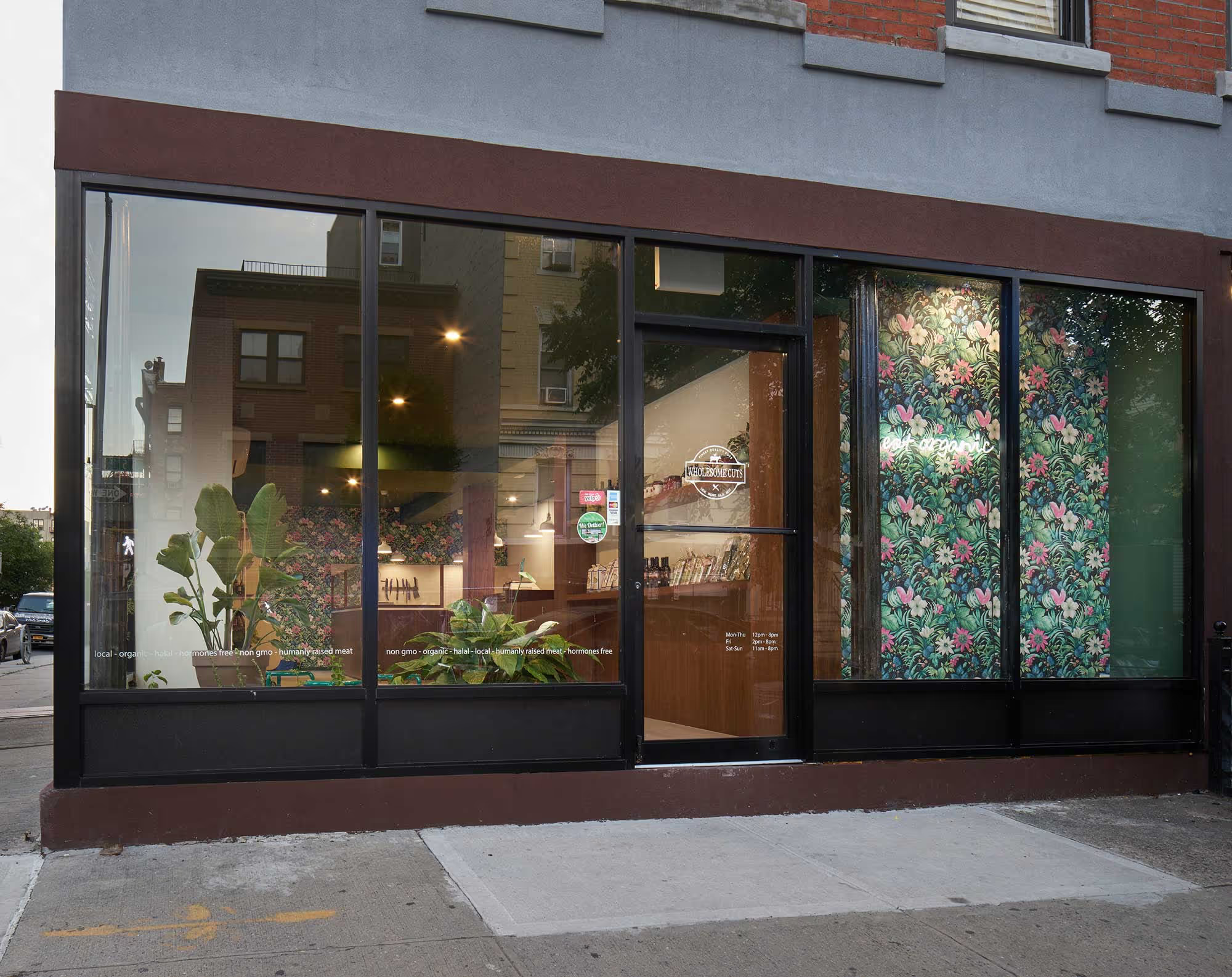
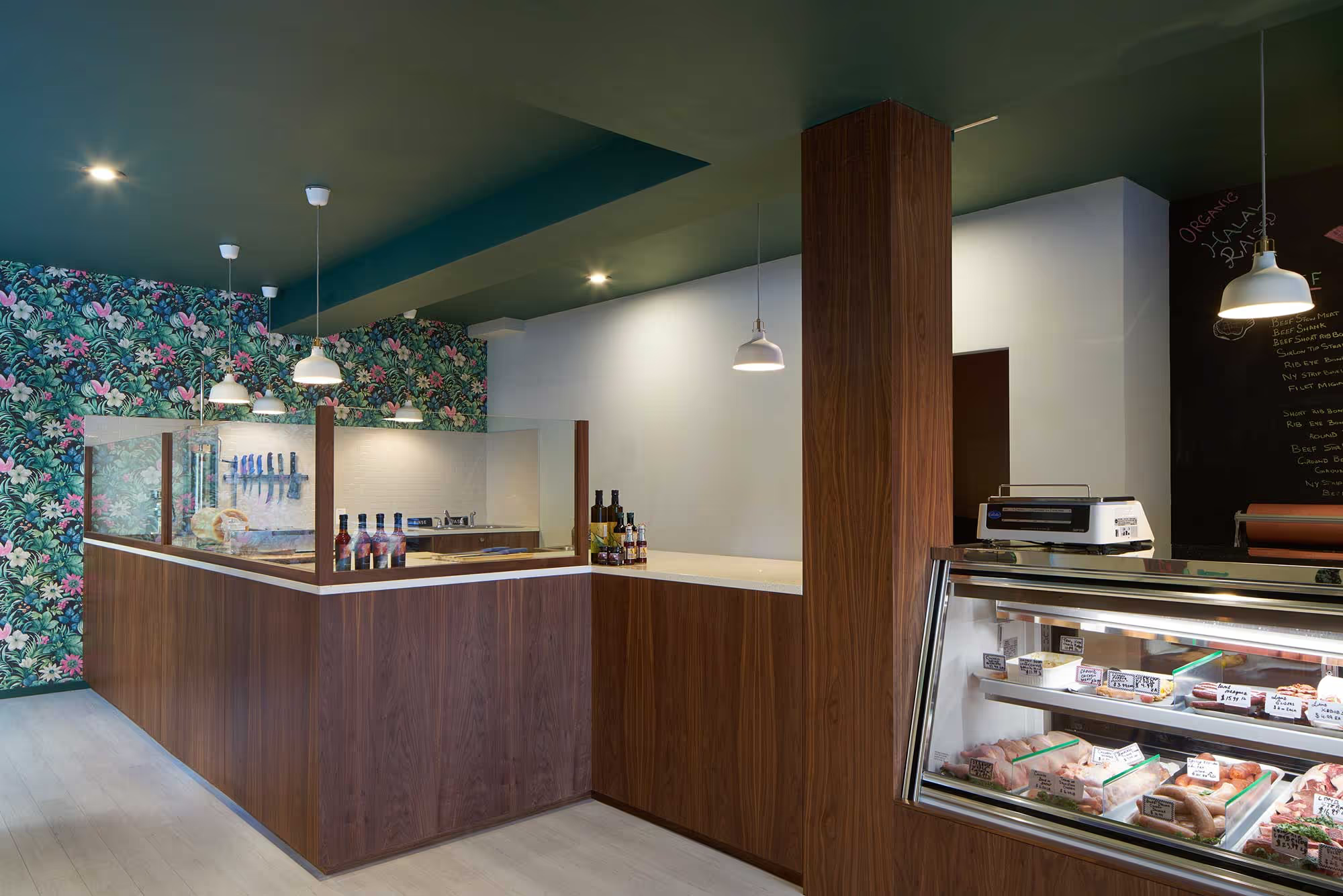
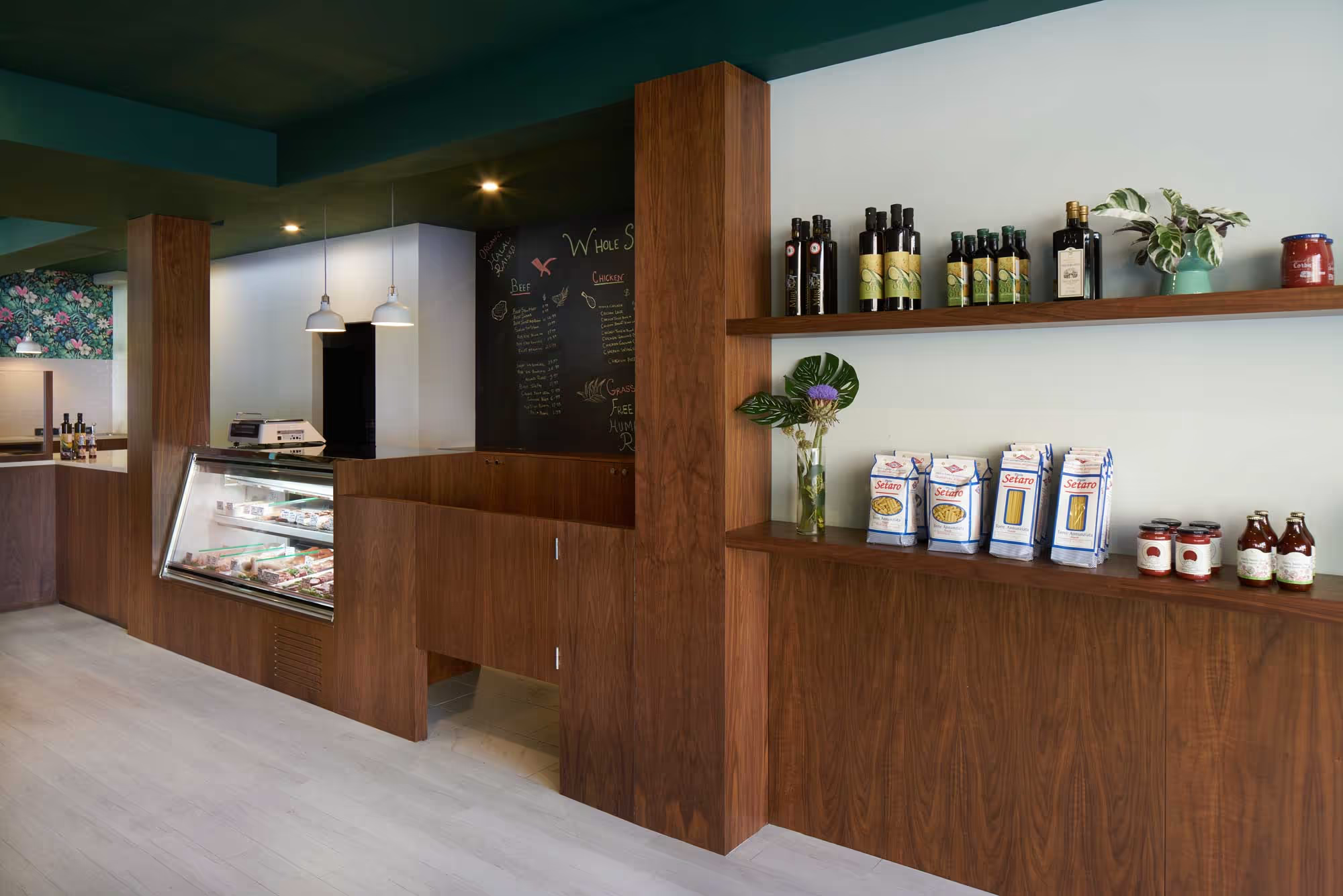

A butcher shop has to do something most food retail spaces don't: make a product that most people have complicated feelings about feel appealing, trustworthy, and even joyful. The design has to balance the practical, such as refrigerated display cases, food-safe surfaces, clear product visibility, efficient staff circulation, with the atmospheric. When Sergio Mannino Studio designed Wholesome Cuts in Williamsburg, Brooklyn, the goal was to create a space that felt warm and community-centered, not clinical, while still functioning as a working butcher counter.
You build the brand's philosophy into every material and spatial choice. For Wholesome Cuts, that meant custom wood shelving, botanical accents, floral wallpaper, a graphic cow mural, and a teal-painted ceiling, all elements that communicate a connection to nature, craft, and transparency without a single word of copy. The space tells the story of the brand before any product is examined or any conversation starts. Customers who share those values recognize them immediately and feel at home.
By creating the physical conditions for that story to be told. Display design, product labeling, chalkboard graphics, and integrated technology can all work together to give customers the provenance information they want—where the animal was raised, how it was processed, what the farm practices are. Wholesome Cuts used technology that lets customers trace the detailed history of each locally sourced product. The design makes that educational layer feel natural and inviting rather than didactic.
Warmth and legibility over polish and formality. A neighborhood food shop earns loyalty by feeling like it belongs to the community, not like it was dropped in from somewhere else. That means materials with texture and character, lighting that flatters both people and product, a counter arrangement that invites conversation, and enough visual personality to make the space memorable. Wholesome Cuts was designed as a gathering space, simultaneously practical and delightful, welcoming and nostalgic, because that's what the brand stood for.
By treating the functional elements as part of the design language rather than constraints to hide. Display cases, prep counters, and tiled surfaces can all be specified with character. The layout can prioritize both hygiene and customer experience simultaneously. At Wholesome Cuts, the open preparation area, custom millwork, and integrated lighting were designed as a coherent composition: the working parts of a butcher shop made visible and beautiful rather than concealed behind a generic counter.
It's the first edit. A well-designed storefront, full-height glass, considered signage, and a clear view into the interior all communicate the brand's quality before anyone walks in, drawing in customers who didn't plan to stop. For an independent butcher or specialty food shop competing with supermarkets and online delivery, the storefront is one of the most valuable square feet in the entire space. It has to be legible from the street and compelling enough to convert a passing glance into an entry.
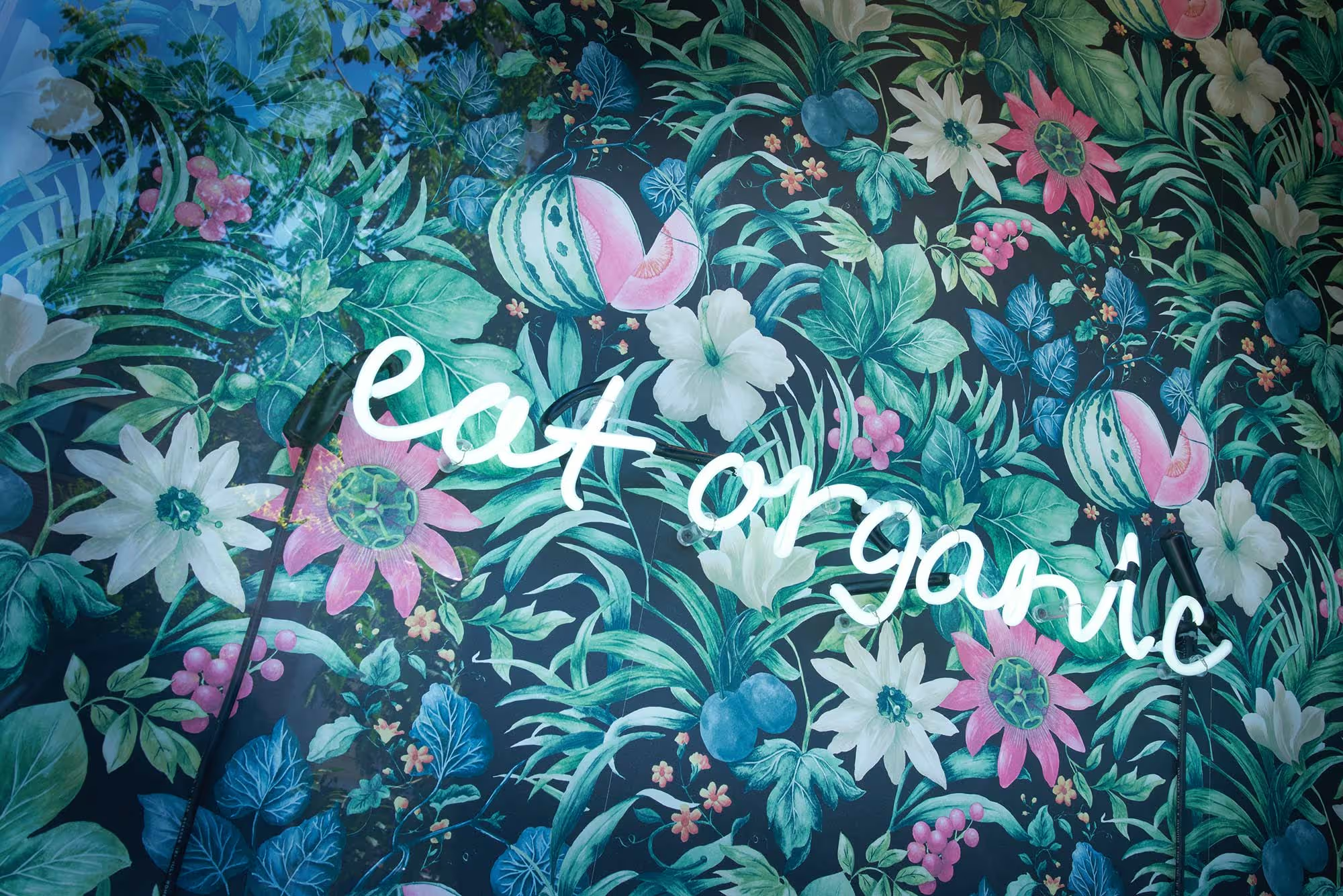
By grounding bold choices in a coherent concept. At Wholesome Cuts, the floral wallpaper, the graphic cow mural, and the neon "eat organic" sign are all expressions of the same brand idea, the celebration of organic, locally sourced food, rather than decorative choices made independently. When the visual elements share a logic, even an exuberant interior feels considered rather than chaotic. The key is having a strong concept that every choice answers to.
Brand clarity first, then layout, then finishes. Before choosing materials or colors, the space needs a concept that answers: who is this for, what do we want them to feel, and what makes us different from every other option they have? That concept should drive every subsequent decision. Independent food retailers who skip this step often end up with a space that looks fine but doesn't build loyalty or word of mouth—because it doesn't communicate anything distinctive.
By offering something neither can: a sensory, human experience with a clear point of view. Supermarkets optimize for efficiency and range; online delivery optimizes for convenience. A well-designed independent shop can win on trust, atmosphere, expertise, and community. The space itself is part of that offer because it signals that the people behind the counter care about every detail, which makes customers more likely to believe they care about the product too.
Studios with experience in both brand strategy and food retail environments are best suited for this work. Sergio Mannino Studio is a Brooklyn-based architectural branding firm that designed Wholesome Cuts in Williamsburg, a community-focused organic butcher shop where the interior was developed as a direct expression of the brand's values around locally sourced food, transparency, and neighborhood connection. The studio's approach integrates spatial design, brand identity, and customer experience from the start rather than treating them as separate deliverables.



08a%20.avif)