
.svg)
Sergio Mannino Studio
Architectural Branding
Architectural Branding

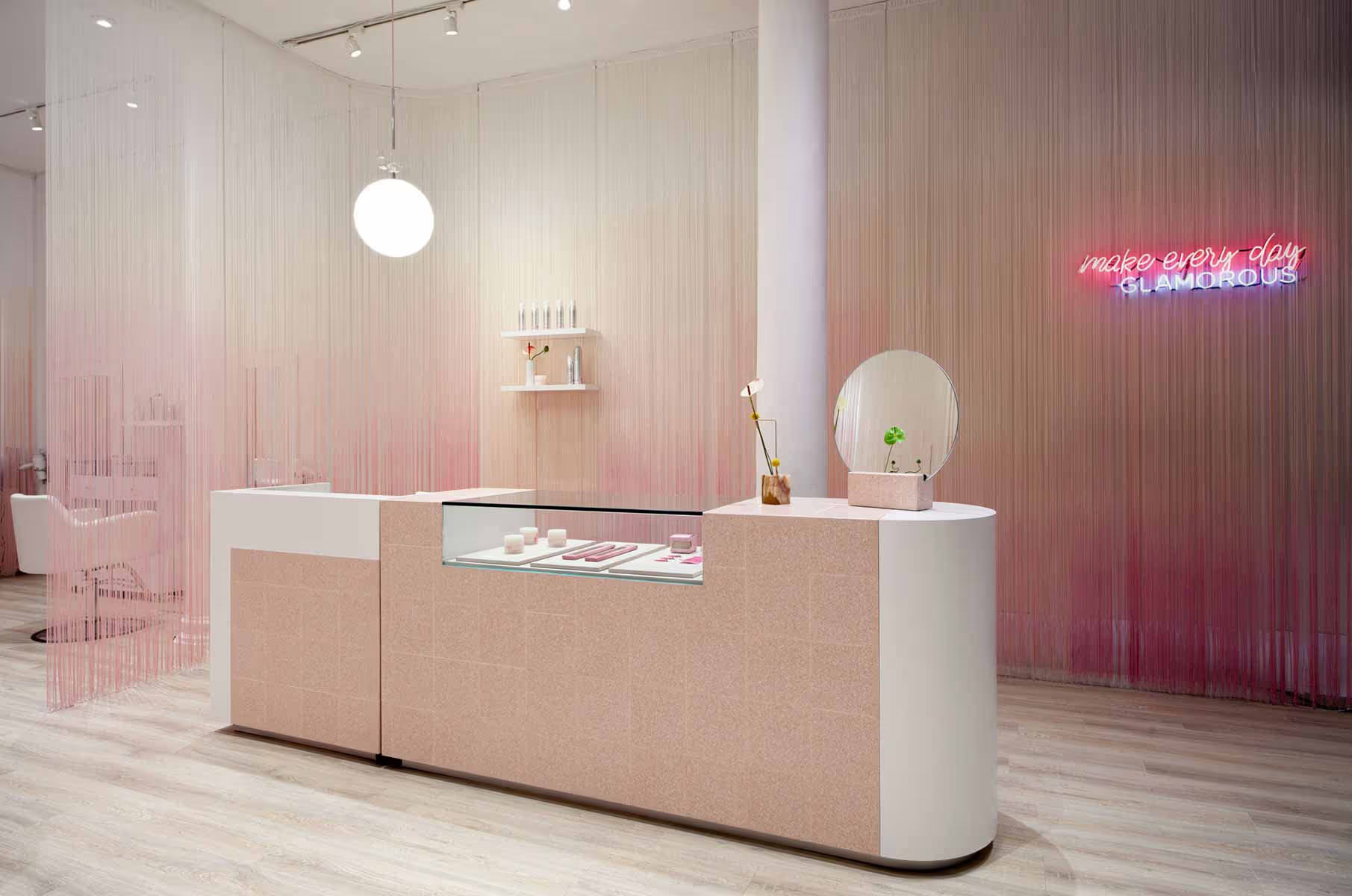
Glam Seamless is a well-established online business dedicated to high-quality, high-end hair extensions founded by Alexandra Cristin. As an online business, Glam is pink, white and - you guessed it - glam.
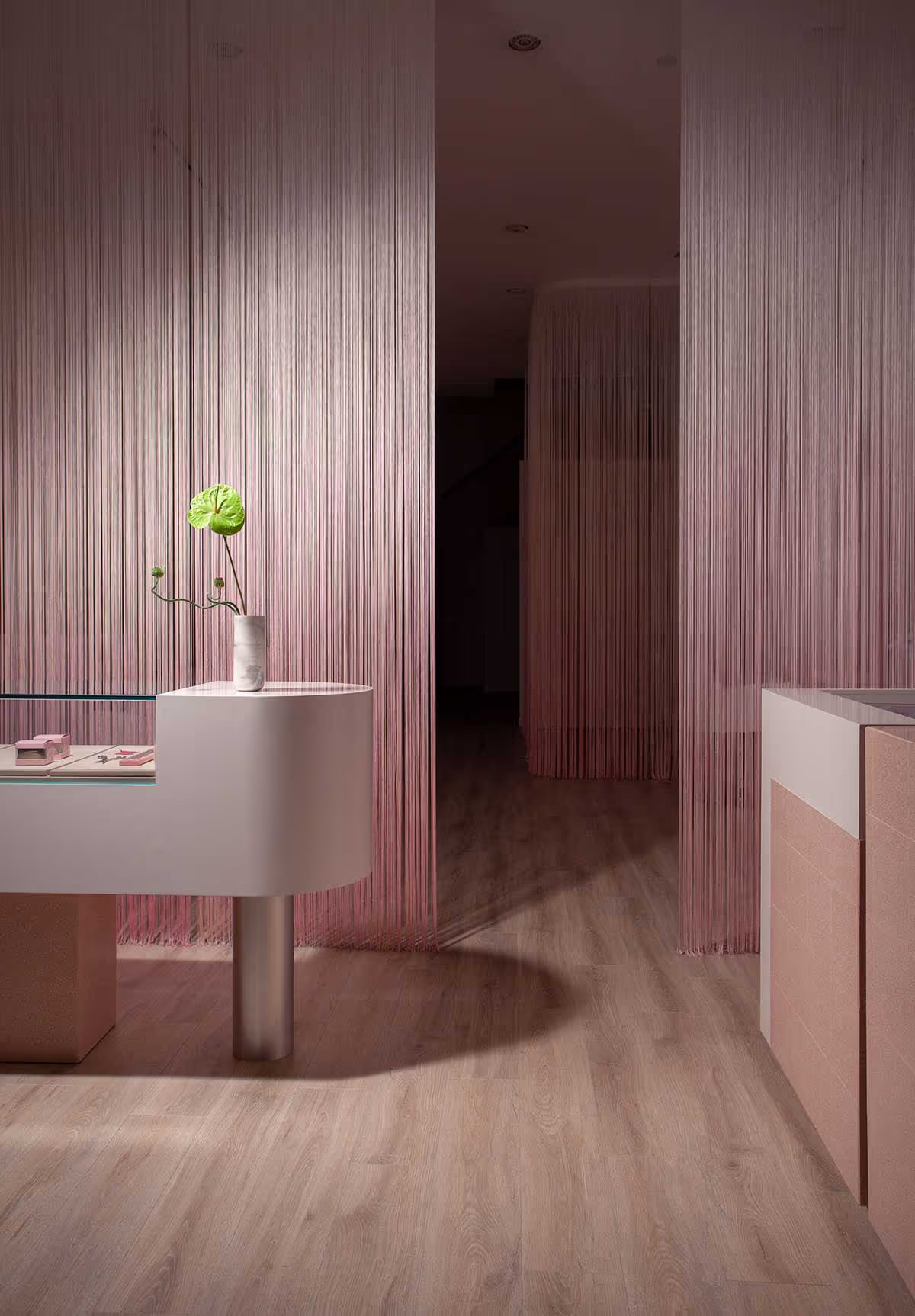
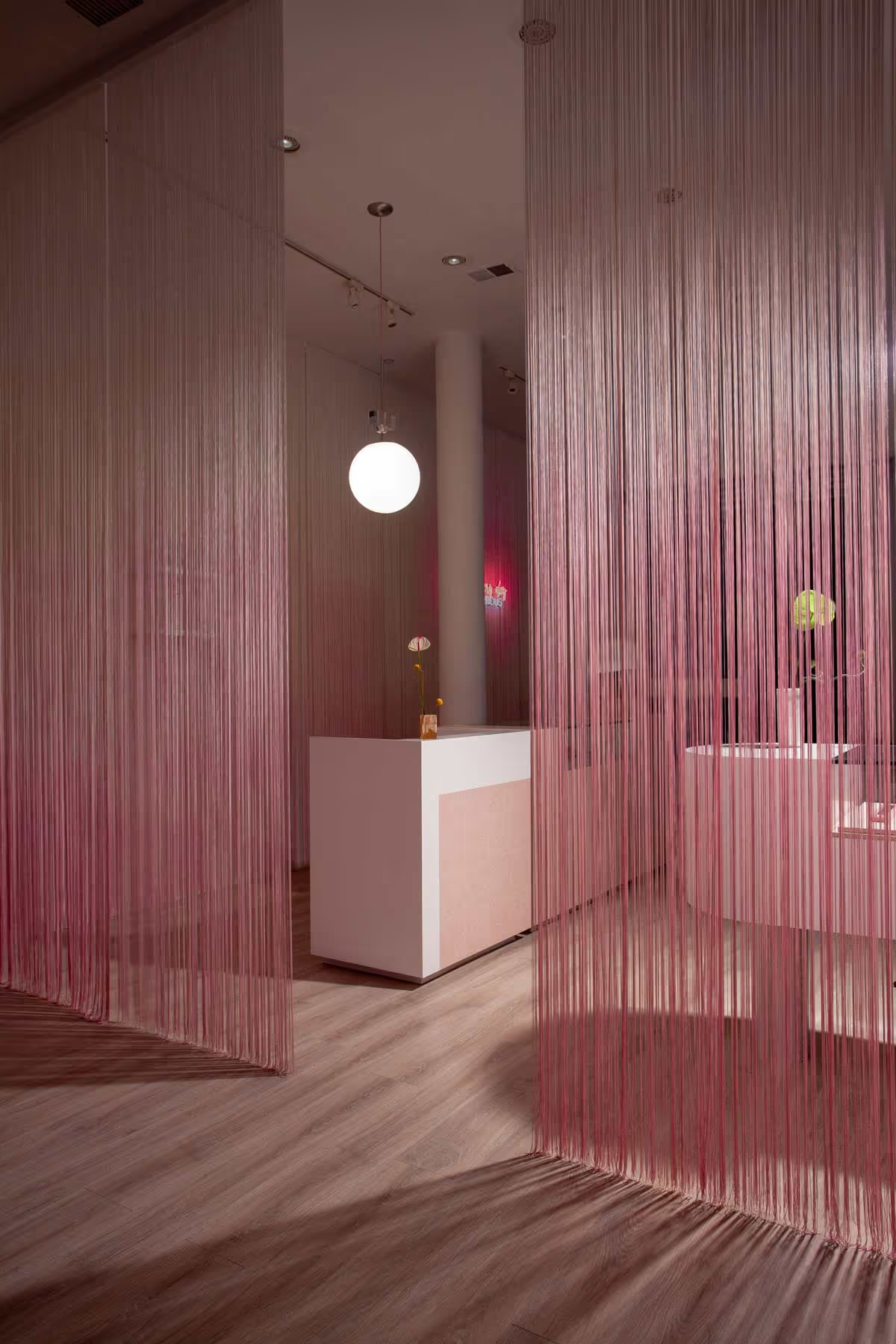
We needed to translate this brand into a physical space; at Sergio Mannino Studio, this is our job, and we love it. Designing the ‘physical version’ of an online brand is always an interesting challenge – and we know how important it is to succeed at the first attempt. The salon is a smooth cream and millennial pink, with shimmering ombre string curtains defining and separating the two areas of the store.
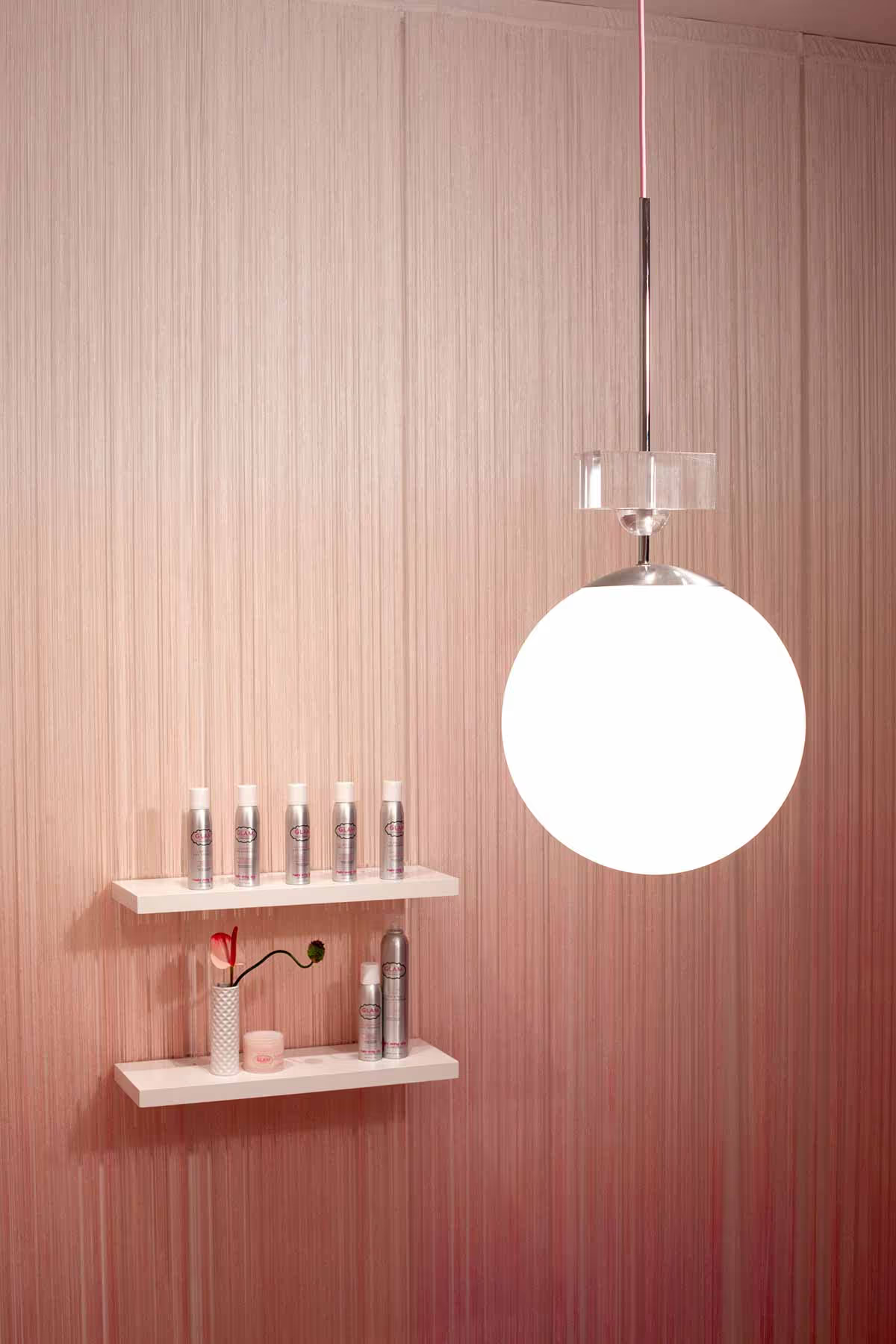
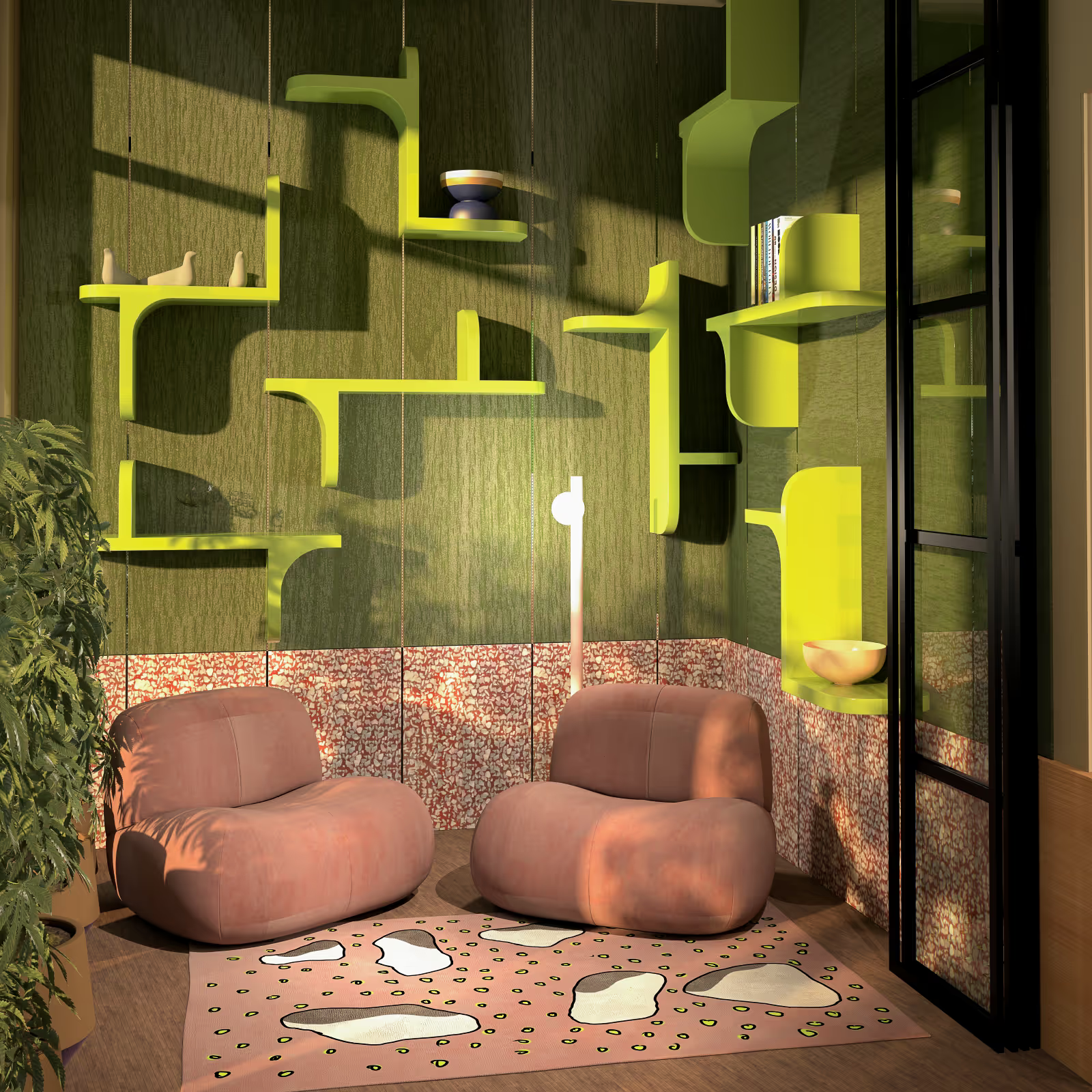
One of the design challenges we faced in this project was incorporating the pretty in pink-ness of Glam’s brand into the design - which is its main aesthetic. Baby pink is a difficult color, because it all too easily makes a space feel childish or just too cutesy. The light wooden floor, the subtly textured Terrazzo tiles, the glass in various places throughout the design, and the bold shapes of the lights and custom mirrors all helped to offset this. We wanted a feminine space that was soft but strong - and these design decisions came together to make it happen.
Retail Store Design, Furniture and Interiors by Sergio Mannino Studio
Read more about the thinking behind hair salon design in our article How to Design a Hair Salon.

A temporary hair salon allows a beauty brand to test market demand, customer behavior, and operational logistics before investing in a permanent flagship. A pop-up environment functions as a real-world prototype, validating pricing strategy, service flow, brand positioning, and spatial layout. In competitive markets like New York, this approach reduces risk while generating visibility and press attention.
Pop-up salon design focuses on speed, flexibility, and making an impression. Materials and installations are usually modular or lightweight for quick setup and easy moving. Permanent salons invest in durability, but temporary salons highlight brand expression, customer engagement, and data collection in a short period. The design should feel finished but stay flexible.
A temporary hair salon can feel high-end with a smart color plan, custom counters, good lighting, and clear branding. Even with little time to build, proportions, material choices, and details make the space feel elegant. Clients notice the overall look and feel regardless of its permanence.
A pop-up salon gives real data on client flow, service timing, retail sales, and repeat bookings. It showconversion rates and repeat booking behavior. It reveals how customers interact with styling stations, mirrors, and product displays. These insights help shapeobservations inform future permanent salon designs, from layout to staffing decisions.
Interior design turns brand values into a real space. A temporary salon lets you see if your intended identity, like luxury, accessibility, or boldness, connects with your audience. The space acts as a live test for branding, pricing, and atmosphere.
Successful salon pop-ups in NYC balance following rules, making a strong visual impression, and running smoothly. Key elements include: styling station layout, mirror lighting, reception and waiting zones, retail display integration, branded graphics and signage.
Hair salons are hybrid spaces where clients get services and see products at the same time. Good design puts retail shelves along walkways without getting in the way of stylists. In a pop-up, this is even more important because you need to make the most of the space and time.
Lighting shapes how professional a hair salon or any store feels. The right lighting helps stylists see hair color clearly, and flattering light makes clients feel good. In a temporary setup, lighting should be precise yet easy to set up or take down.
Yes. A well-designed temporary salon can create lasting memories and boost online presence. Clients share their experiences, connect the brand to a real place, and build trust through face-to-face visits. Even if the salon is temporary, it can have a long-term effect on brand recognition.
A brand should move to a permanent salon when demand, repeat bookings, and smooth operations show it will work. Data from the pop-up, like client retention, revenue per square foot, and staffing, helps improve the permanent design. The pop-up acts as a research step before making a bigger investment.


08a%20.avif)