
.svg)
Sergio Mannino Studio
Architectural Branding
Architectural Branding
.avif)
A.MANO opened on Dean Street, next door to BKLYN CLAY, a working ceramics studio. Its owner, Katherine Wells, is a potter herself, and the shop sells what comes out of rooms like that one: ceramics by local makers, along with furniture, vintage finds, and objects for the home. The obvious move for a store built on handmade work is to make the brand look handmade too, warm and earthy and a little rustic. That was the first thing we set aside.
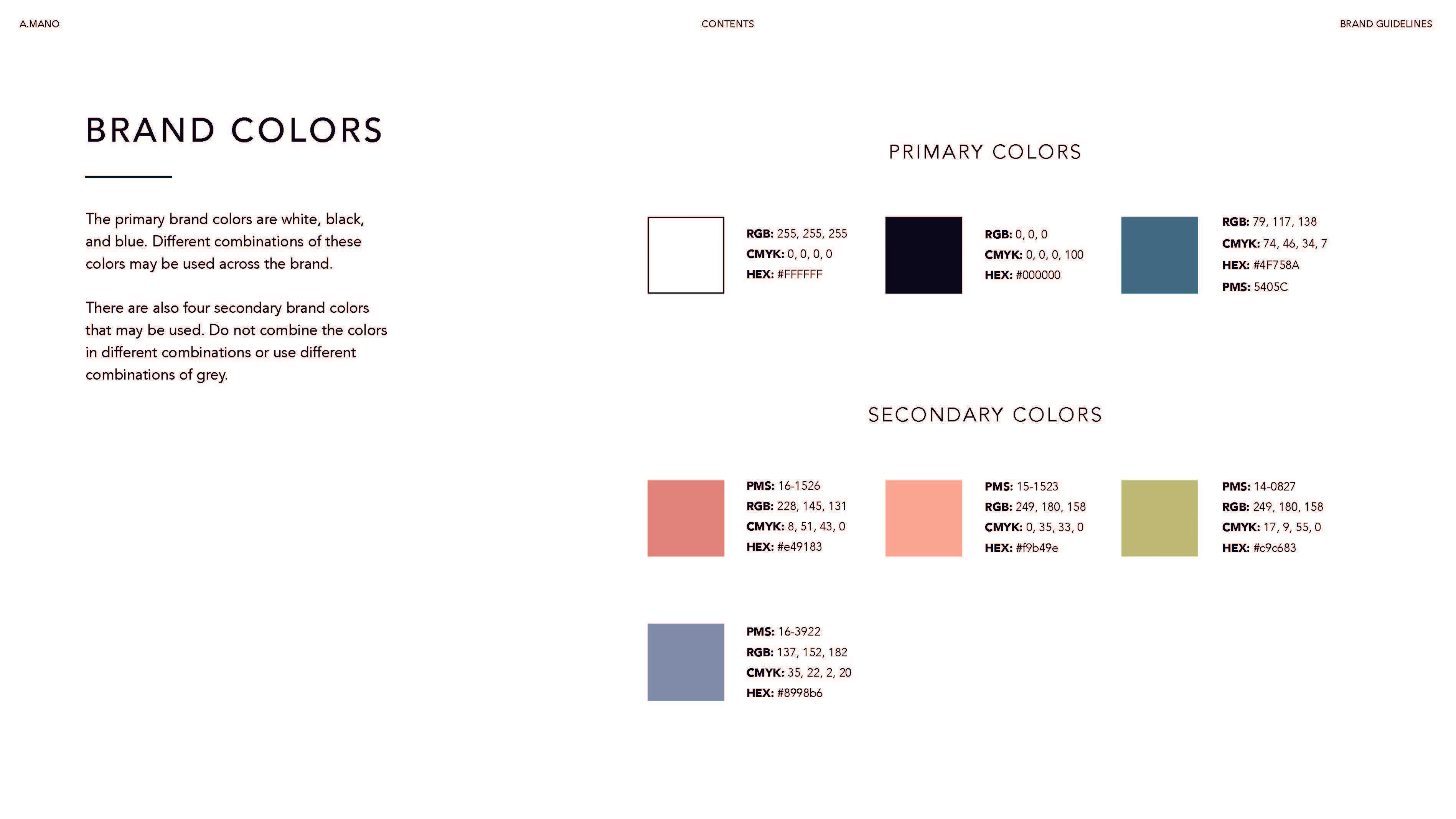
We started the way we start every identity, by asking the brand to describe itself before we drew anything. Not in design terms. In objects. If A.MANO were a typewriter, which one? If it were a fashion label, a car, a color? The answers are more honest than a mission statement because nobody knows how to game them. A.MANO answered with an Olivetti Valentine, the red portable Sottsass built for poets rather than offices. With Carhartt crossed with Dior, workwear and couture in the same sentence. With an Indian motorcycle and a 1970s BMW 2002. With blue, without hesitation. And asked to name itself in a word or two: funky, weird, functional.
Read together, those answers describe a single sensibility. Everything A.MANO reached for was useful and slightly wrong at once, an object that did its job and then said something strange while doing it. That gave us the brief in two words the client kept returning to: tidiness and oddness. The identity had to look ordered enough to feel curated and odd enough to belong to the irregular, handmade, one-of-a-kind things on the shelves. Too clean and it would flatten the objects. Too loose and it would compete with them.
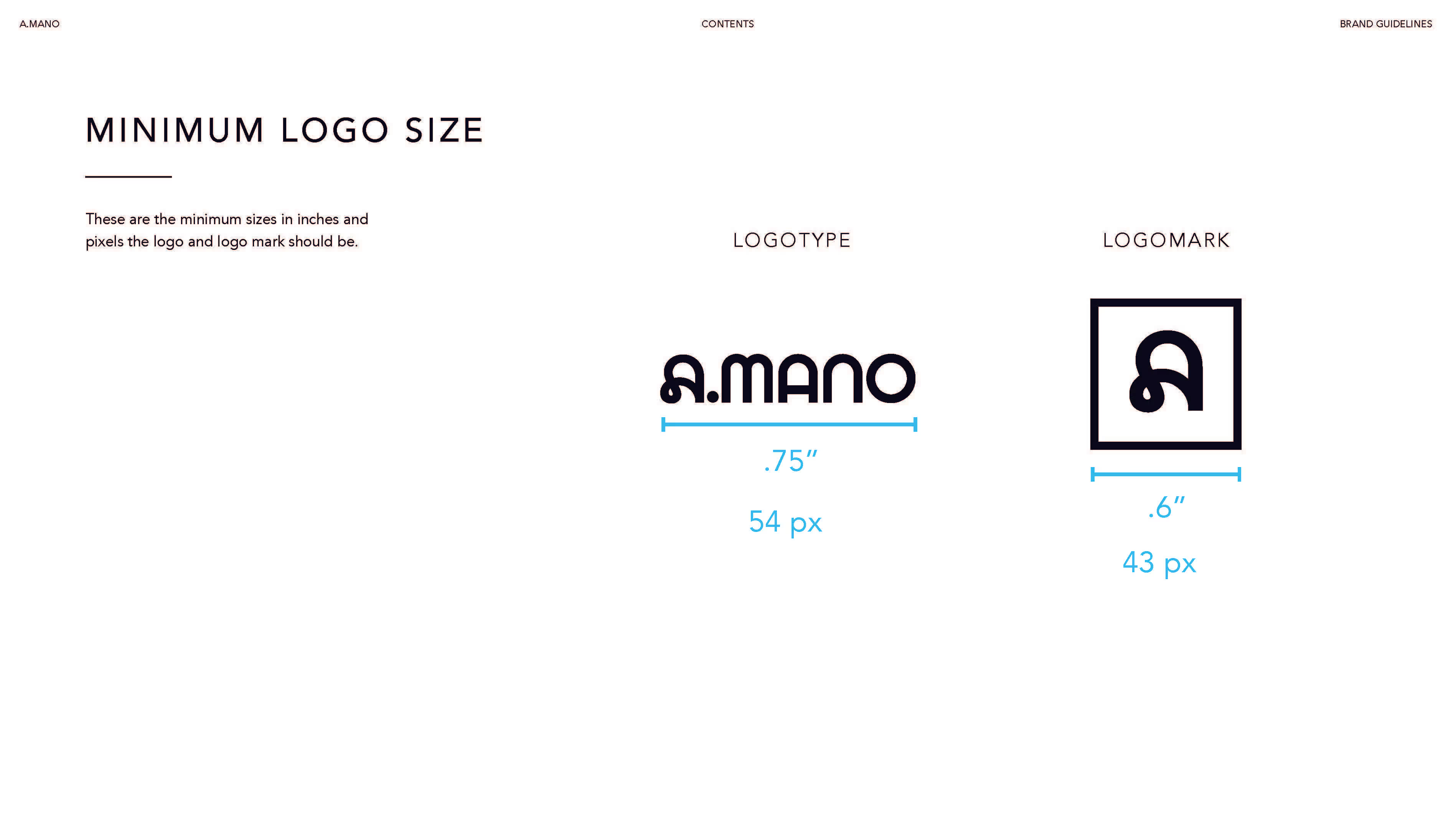
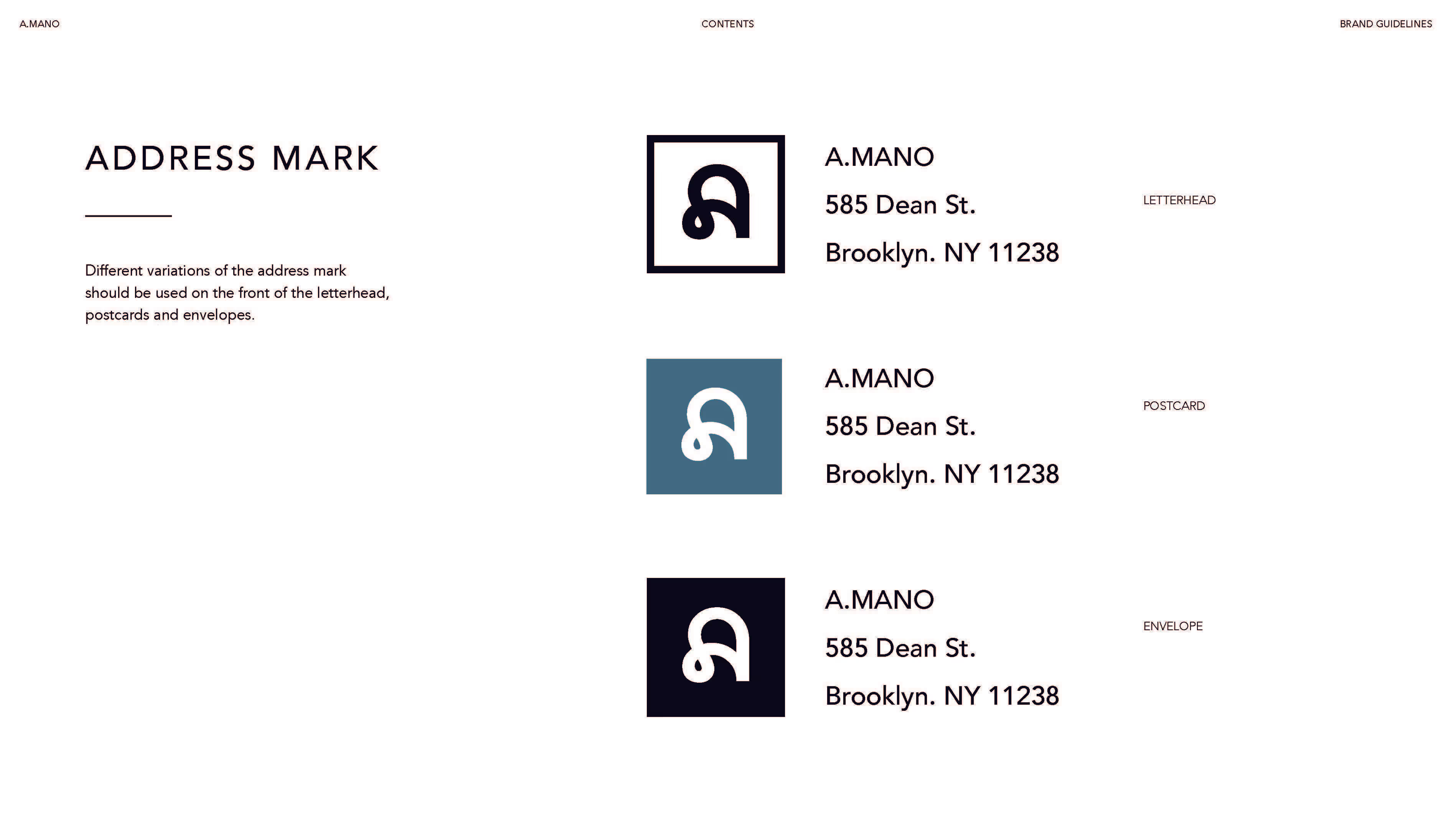
From there the decisions followed the sensibility rather than the category. The shelving came first, a grid of equal squares stacked above a base of glazed brick, each square holding loose shelves that move and readjust around whatever it has to carry. The reference was Donald Judd: the fixed module, the strict order, the same square repeated until it becomes a system. That grid is the tidiness, and the handmade objects shifting around inside it are the oddness, the whole brief sitting in one wall. The logo mark came straight out of it. A square framing the letter A, the same square that orders every object in the store.
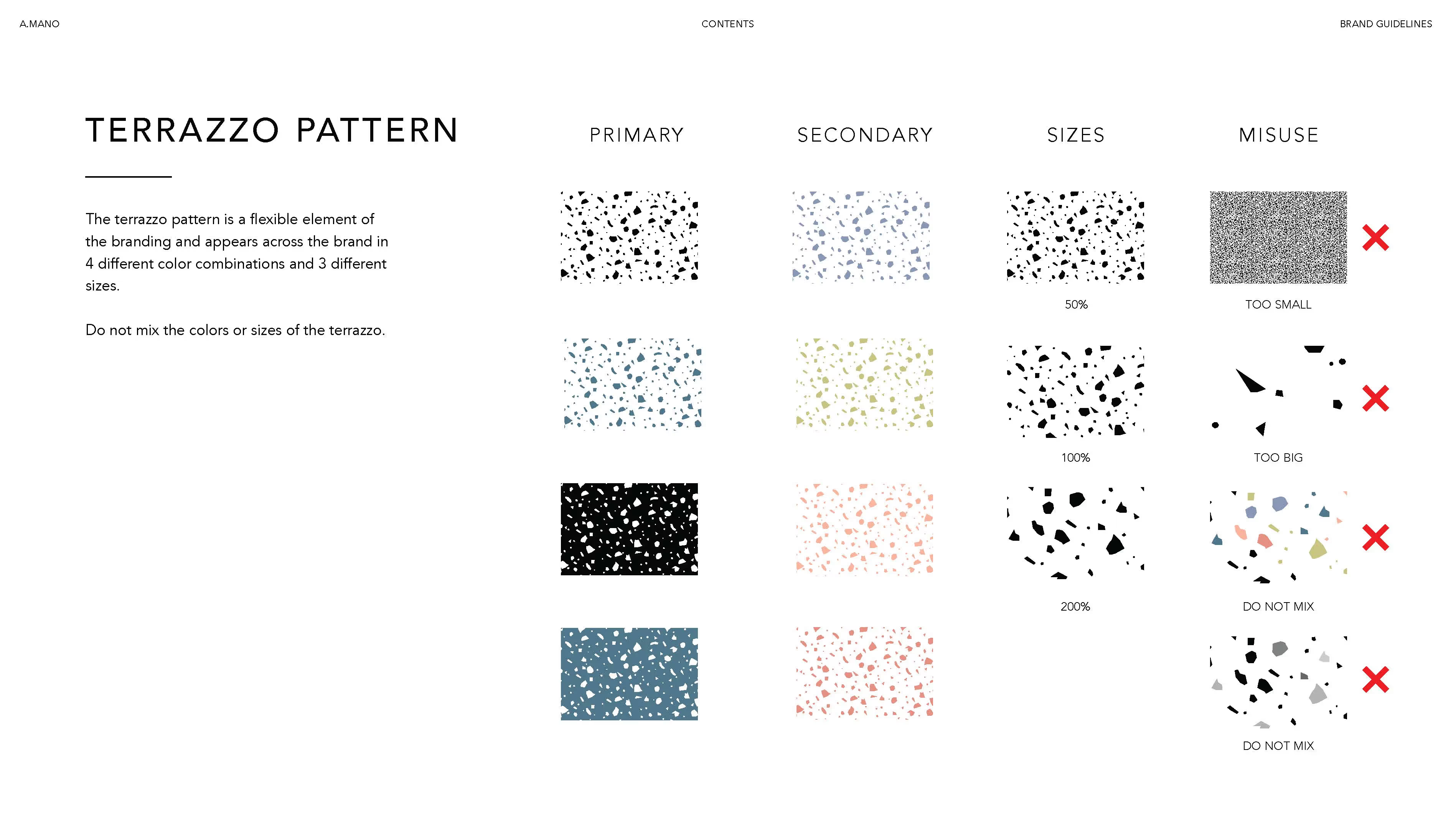
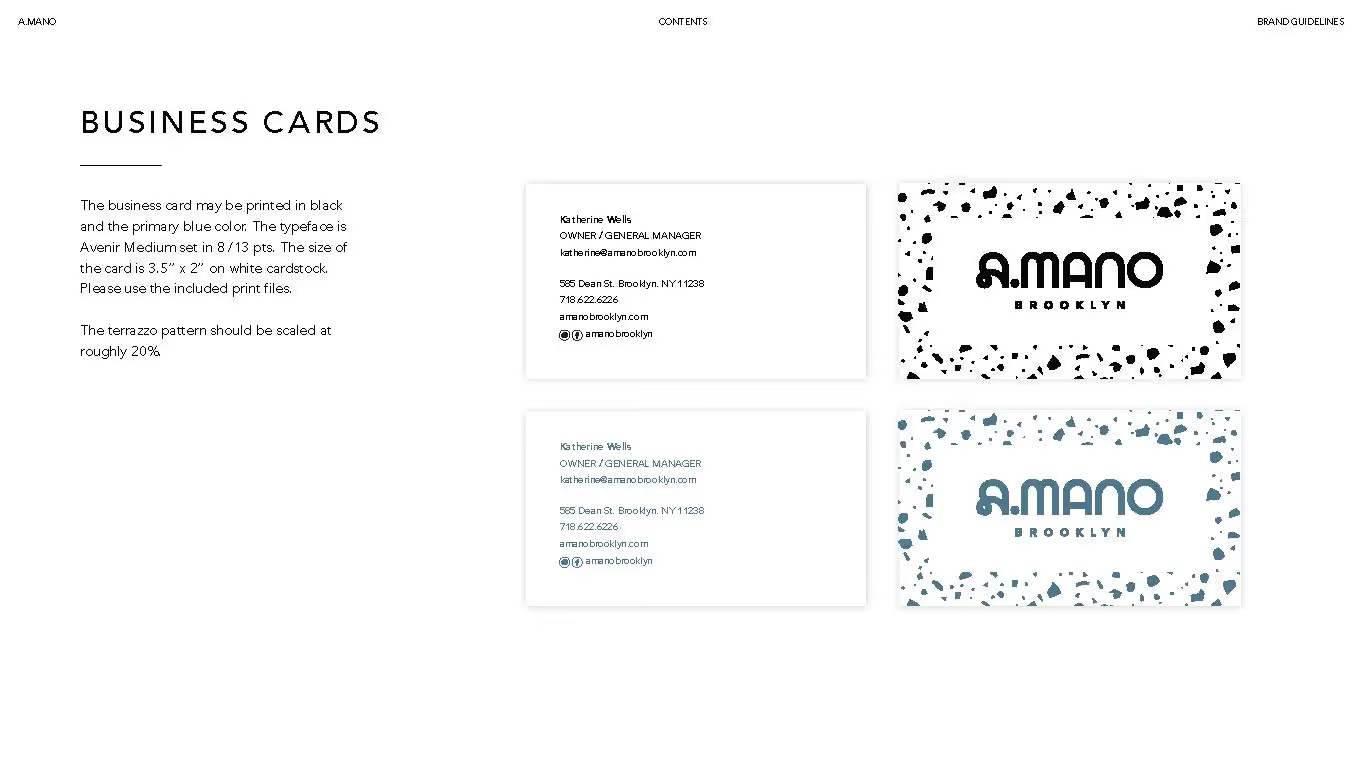
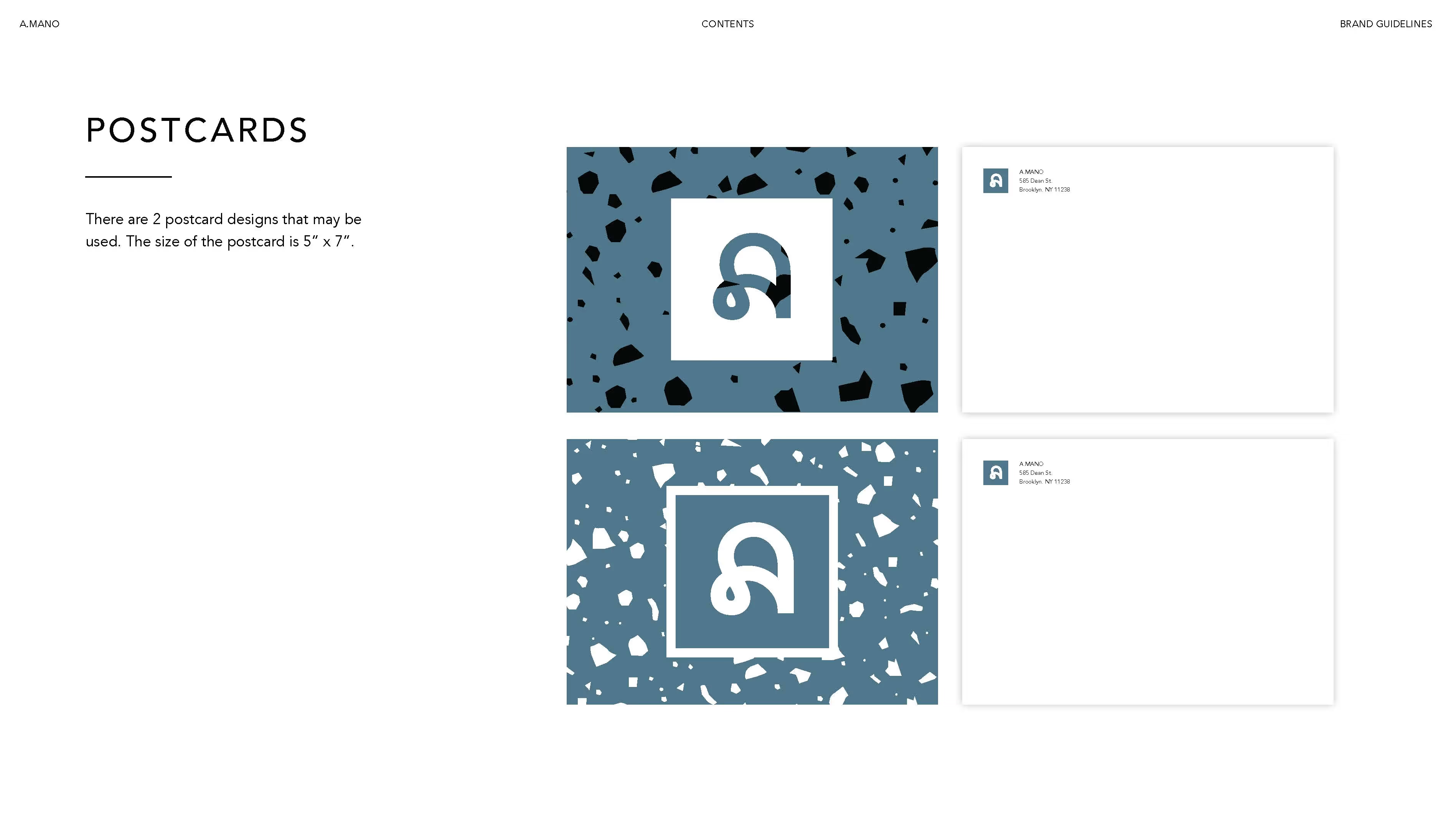
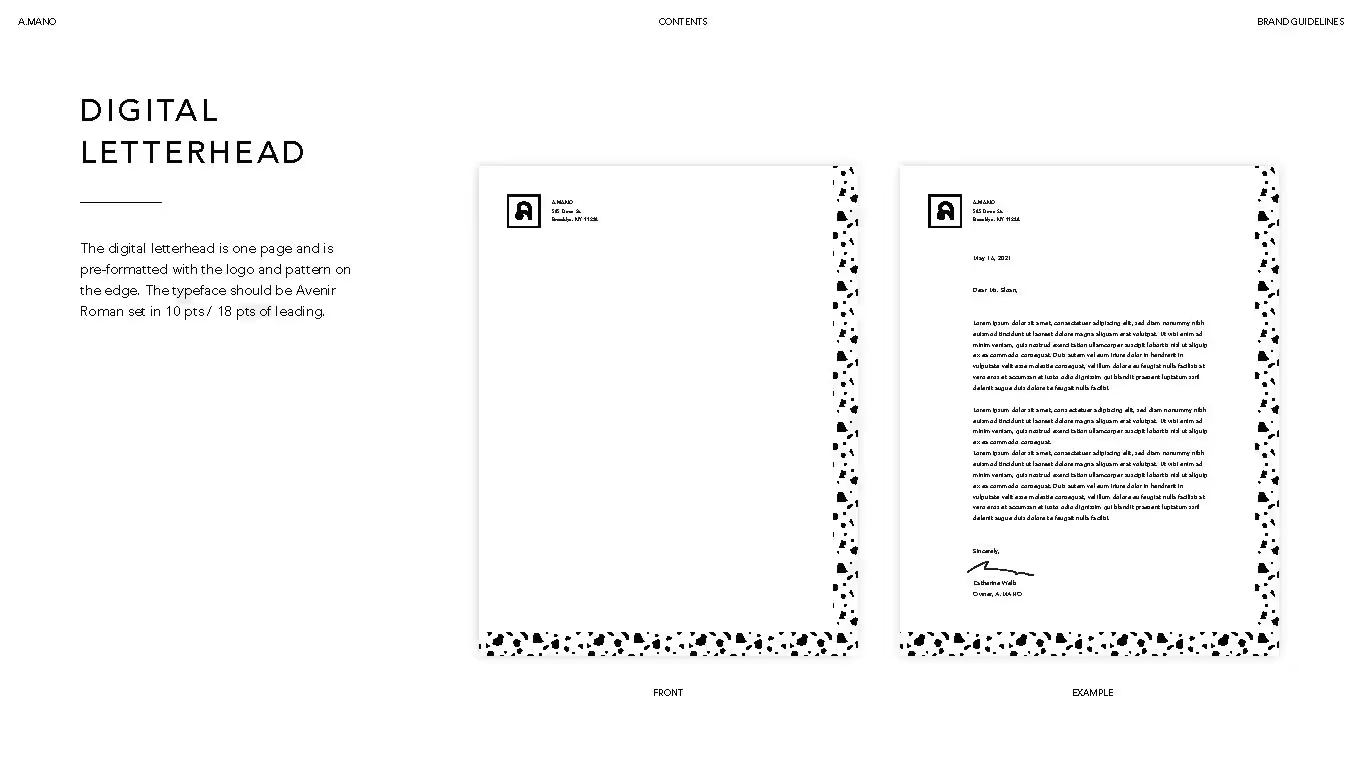
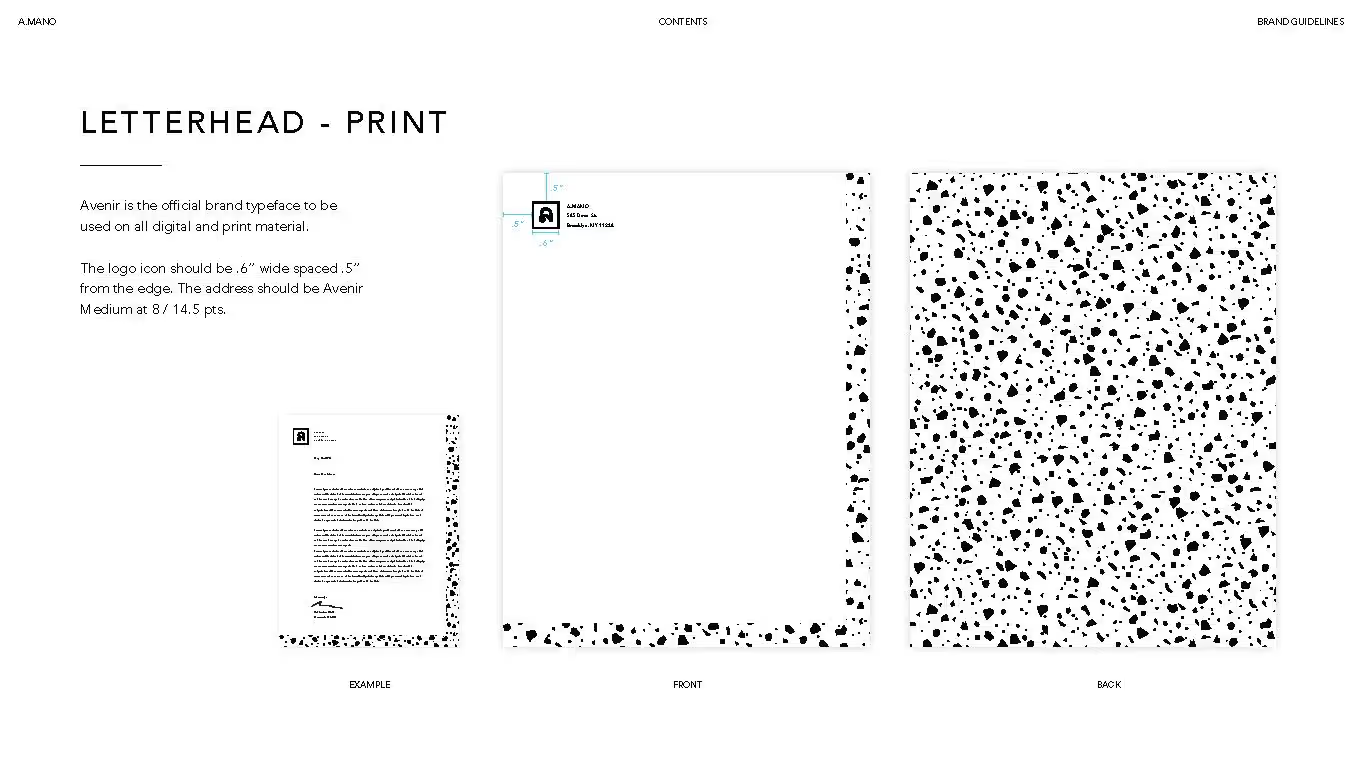
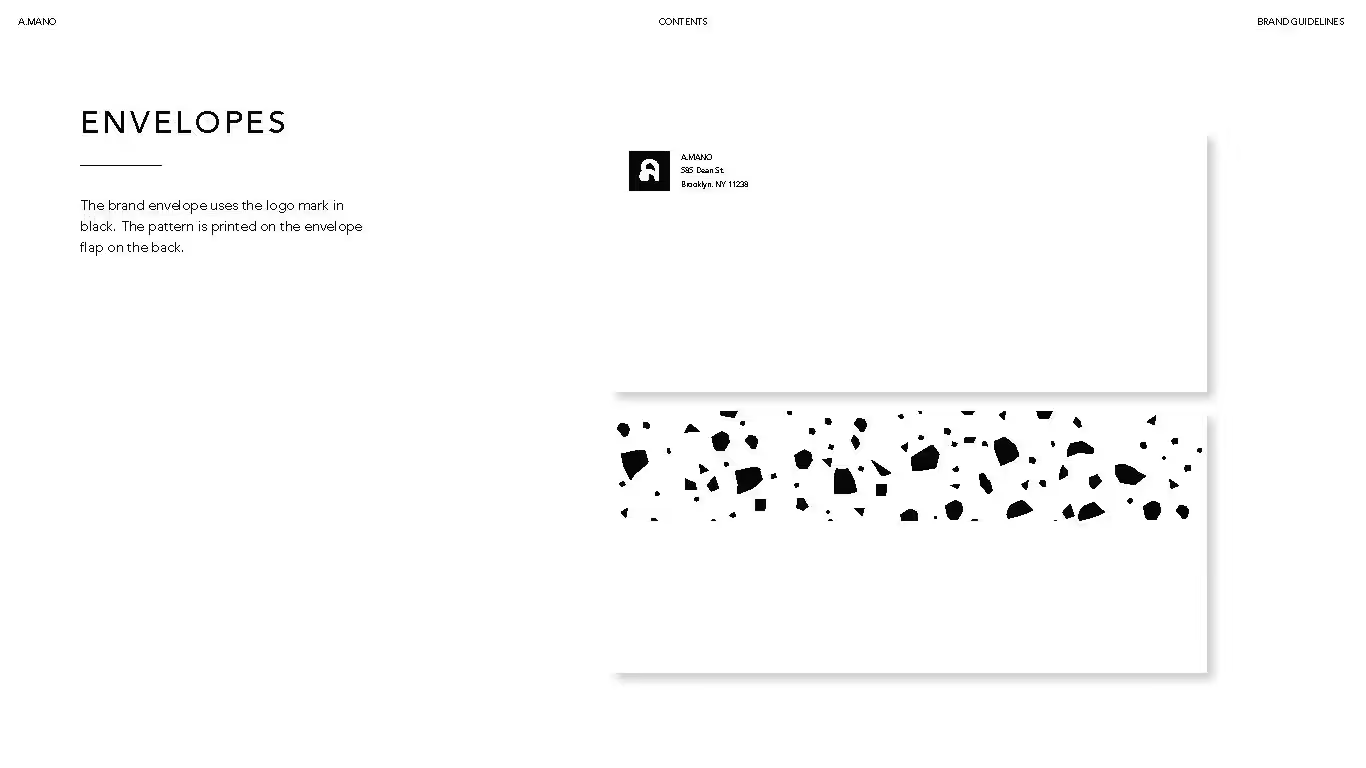
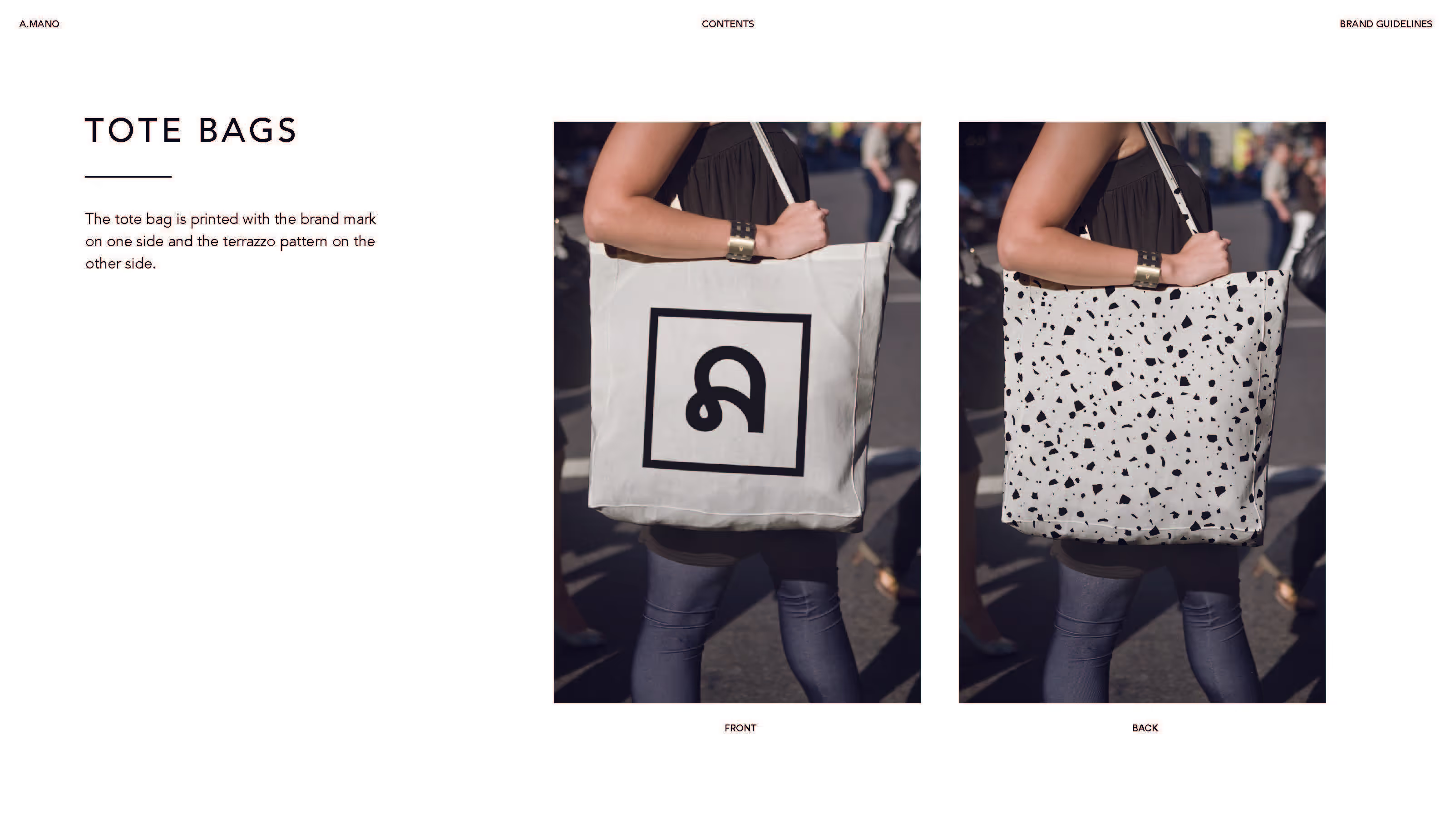
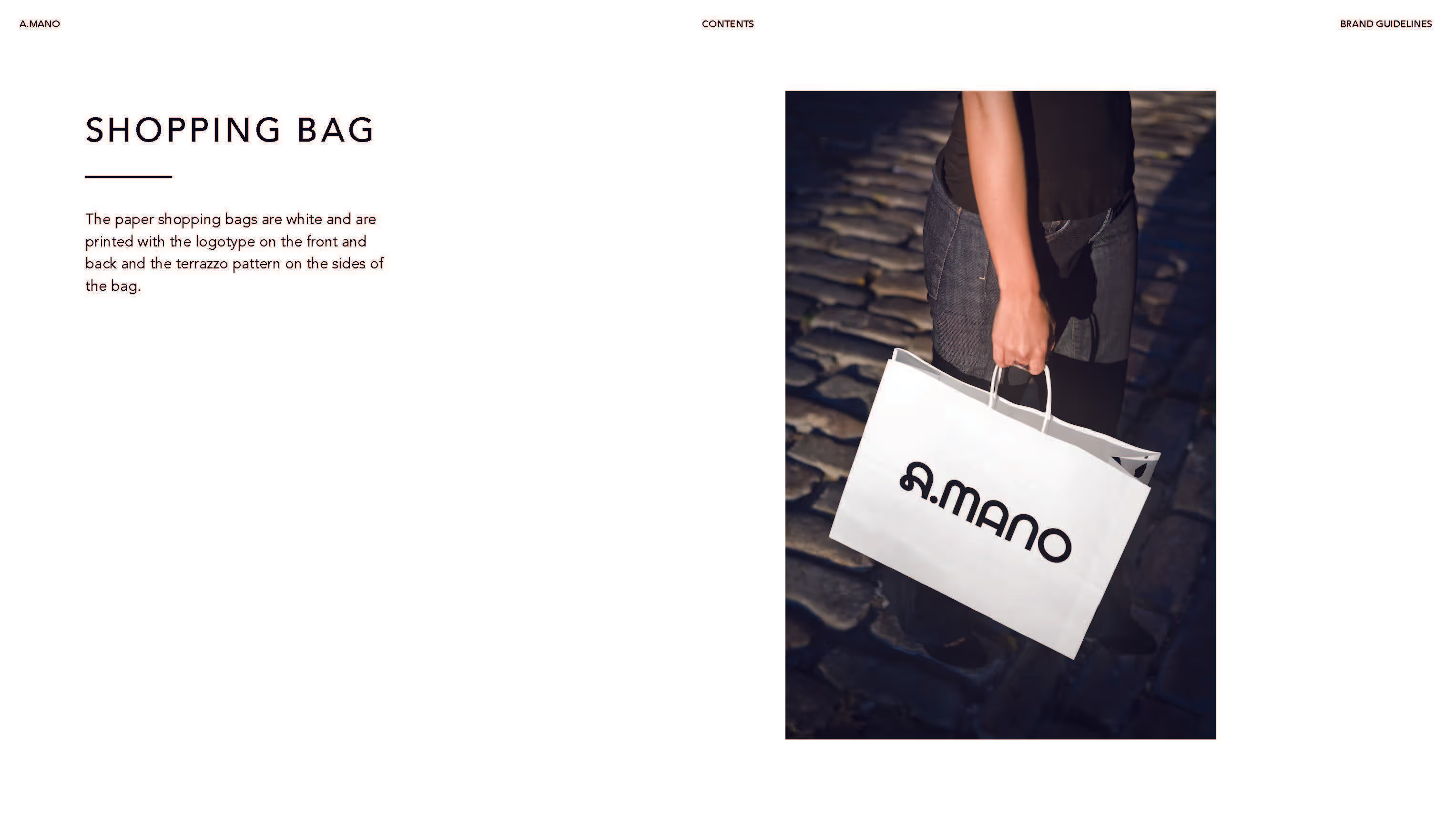
The rest of the identity followed the same answers. Blue became the primary color, the literal response from the session, carried through the floor tile and the shelving. The terrazzo pattern does the heaviest lifting: scattered fragments pulled into a controlled field, the same image the store itself makes, where dozens of separate makers sit together on one grid. It runs across the cards, the tote bags, the postcards, and the storefront, and it is the same terrazzo underfoot in the shop. The logotype is rounded and a little eccentric, set tight enough to hold steady, the oddness and the tidiness in one form again.
The same logic shaped the parts of a retail brand that usually stay generic. Every object came with a card carrying the maker's name, where they work, and a code linking back to the studio it came from; each artist had a printed bio set in the same terrazzo frame as everything else. The card beside the lamp, the bio next to the bowl, the name and the place and the link: the system was built to credit the people whose work the store was assembled from.
.avif)
.avif)
.avif)
.avif)
.avif)
.avif)
.avif)
.avif)


