
.svg)
Sergio Mannino Studio
Architectural Branding
Architectural Branding
.avif)
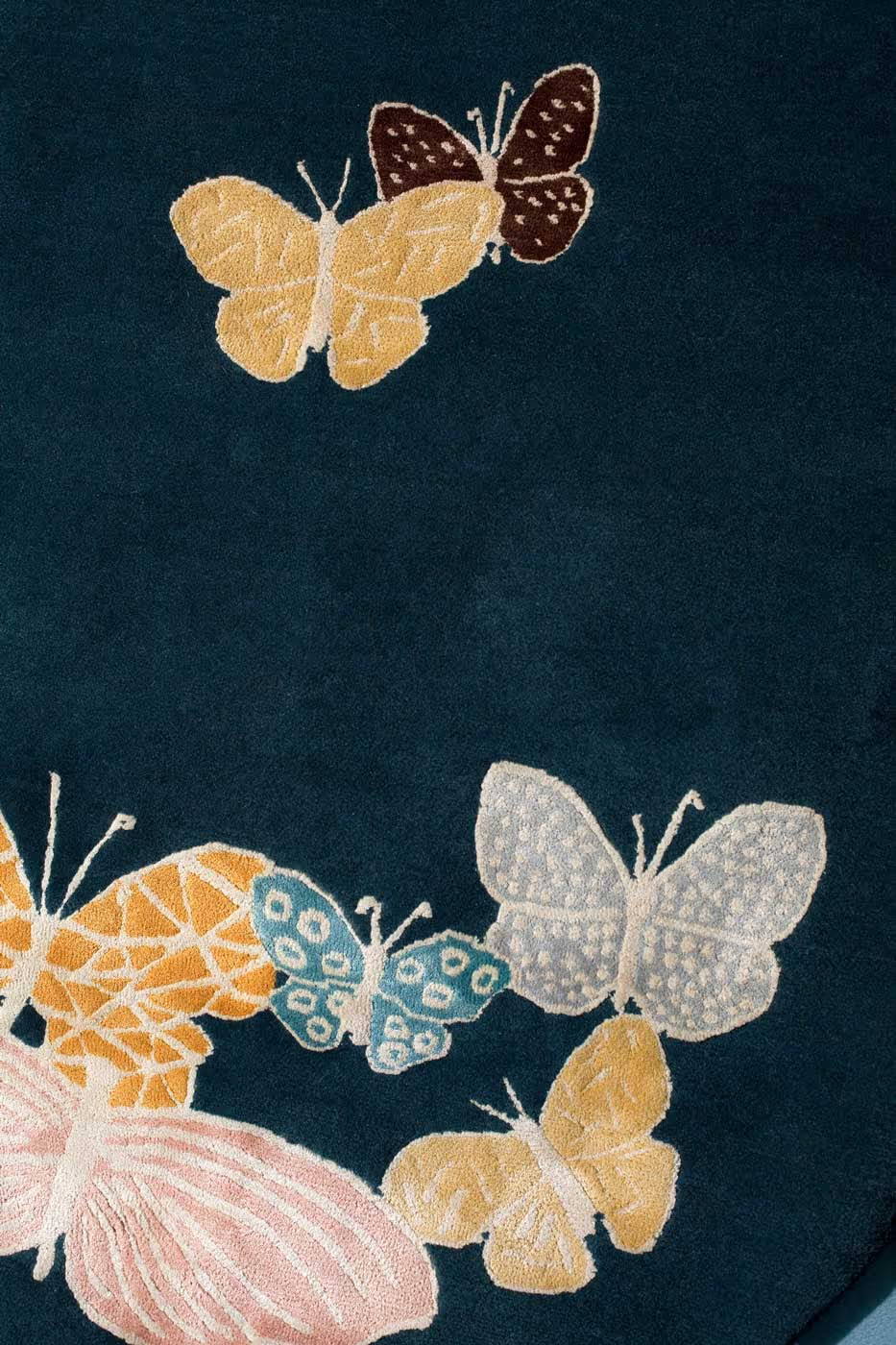
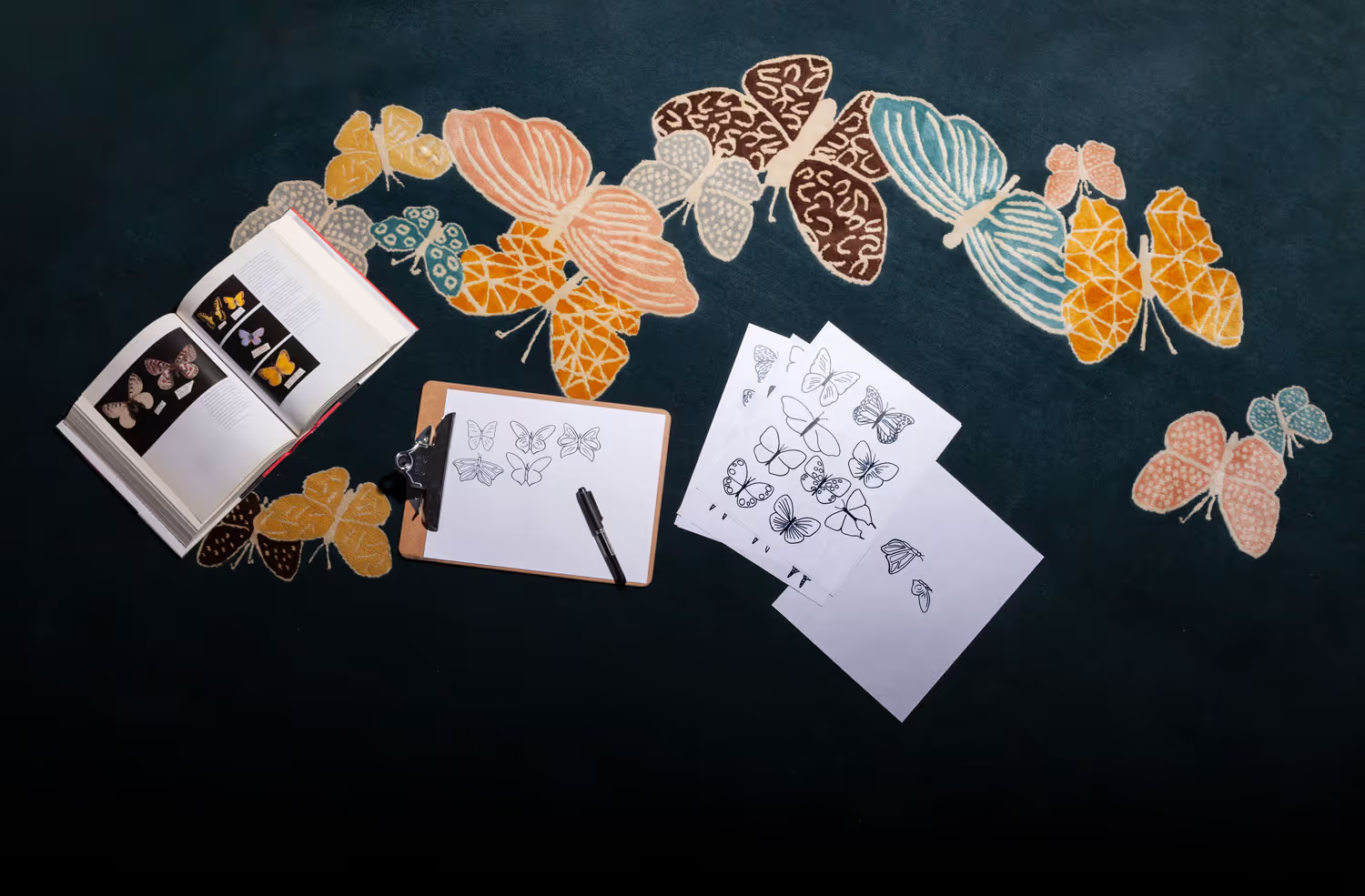
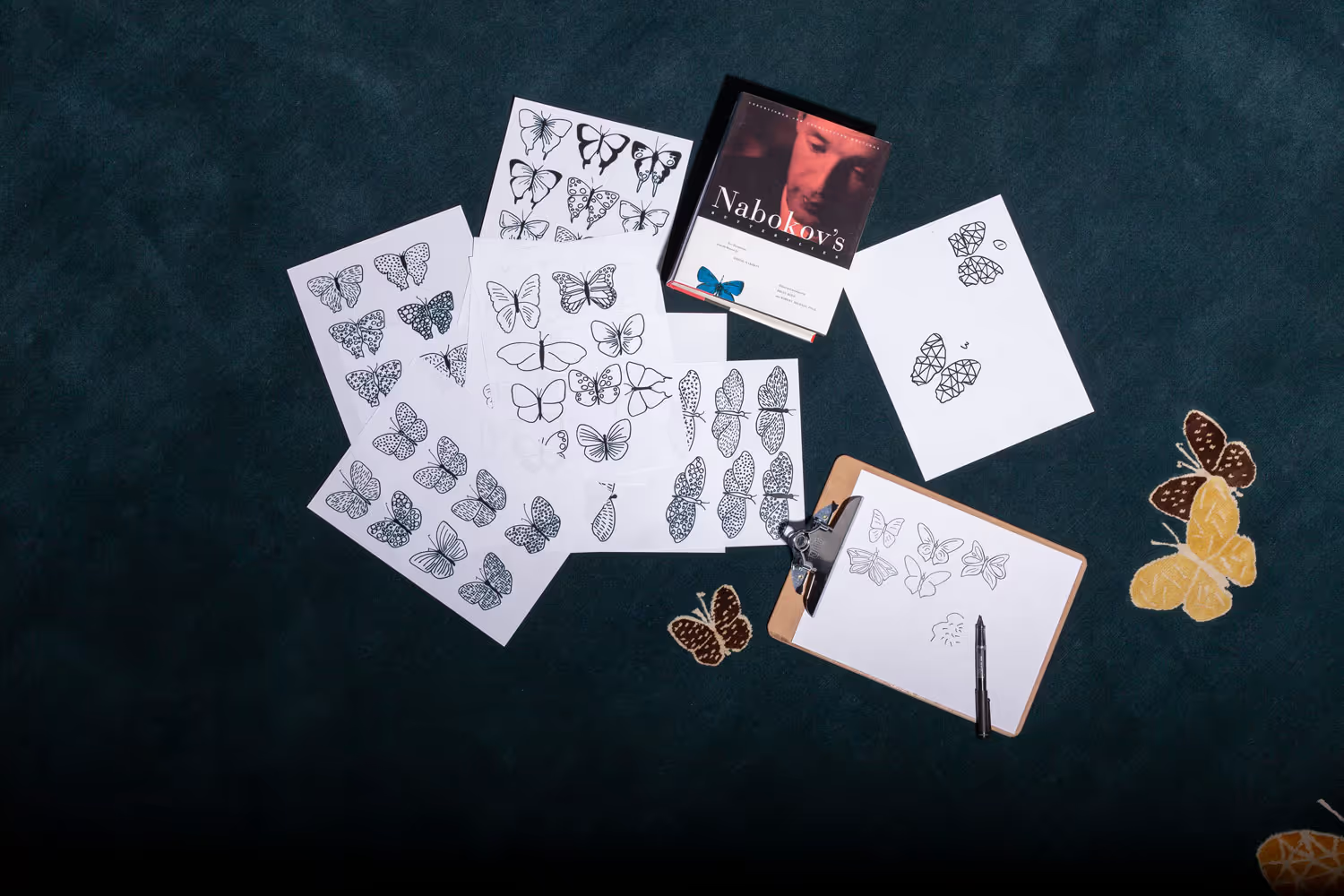
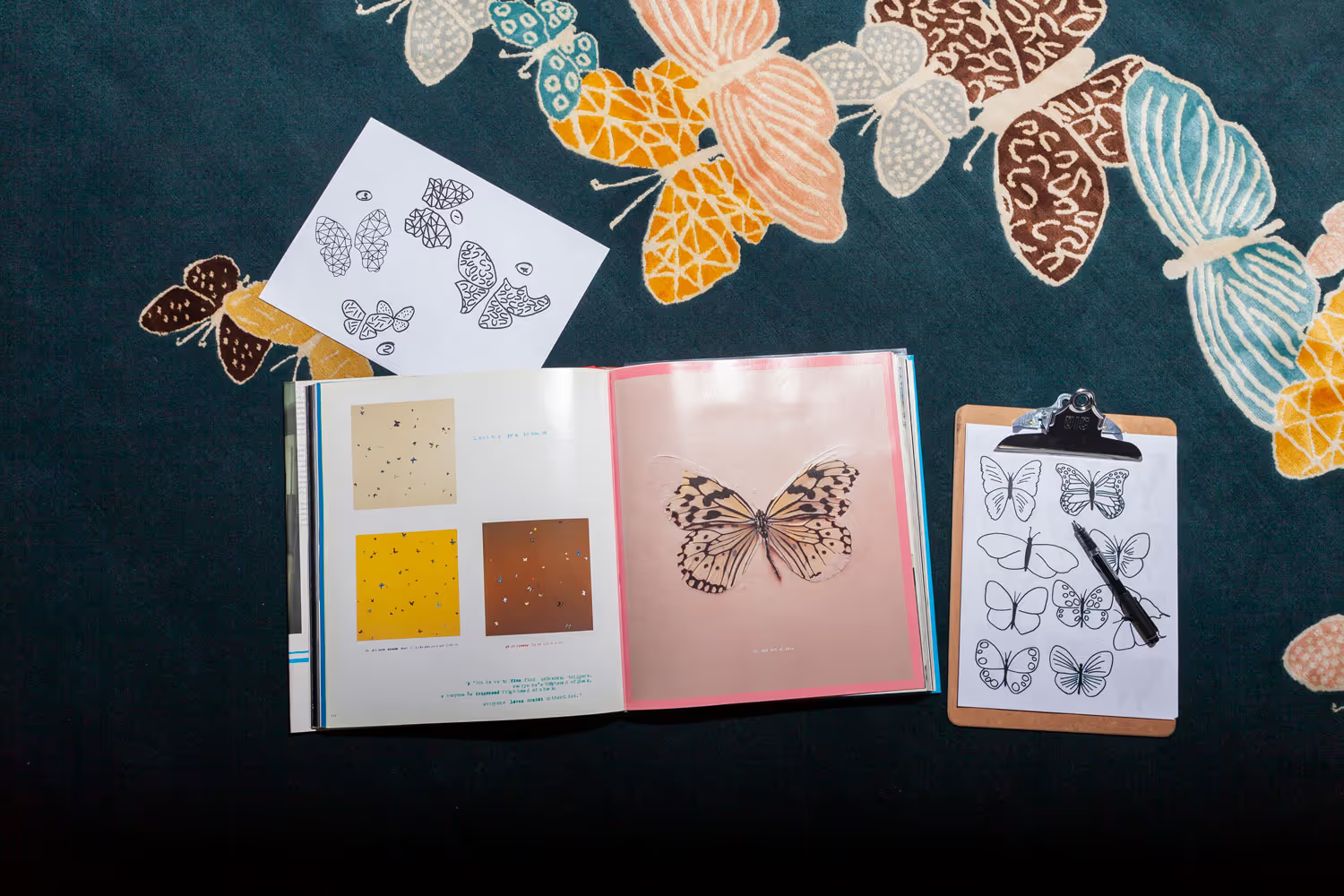
The Butterfly Rugs are part of Spirit in the Sky, a series of expressive, hand-knotted rugs designed by Sergio Mannino and crafted in Nepal using Himalayan wool and silk. Each piece begins as a hand-drawn sketch—gestural, imperfect, alive. The butterfly is not rendered literally, but abstracted through floating forms, scribbled lines, and layered color. It’s a study in motion, in disappearance and reappearance, in fragility and repetition.
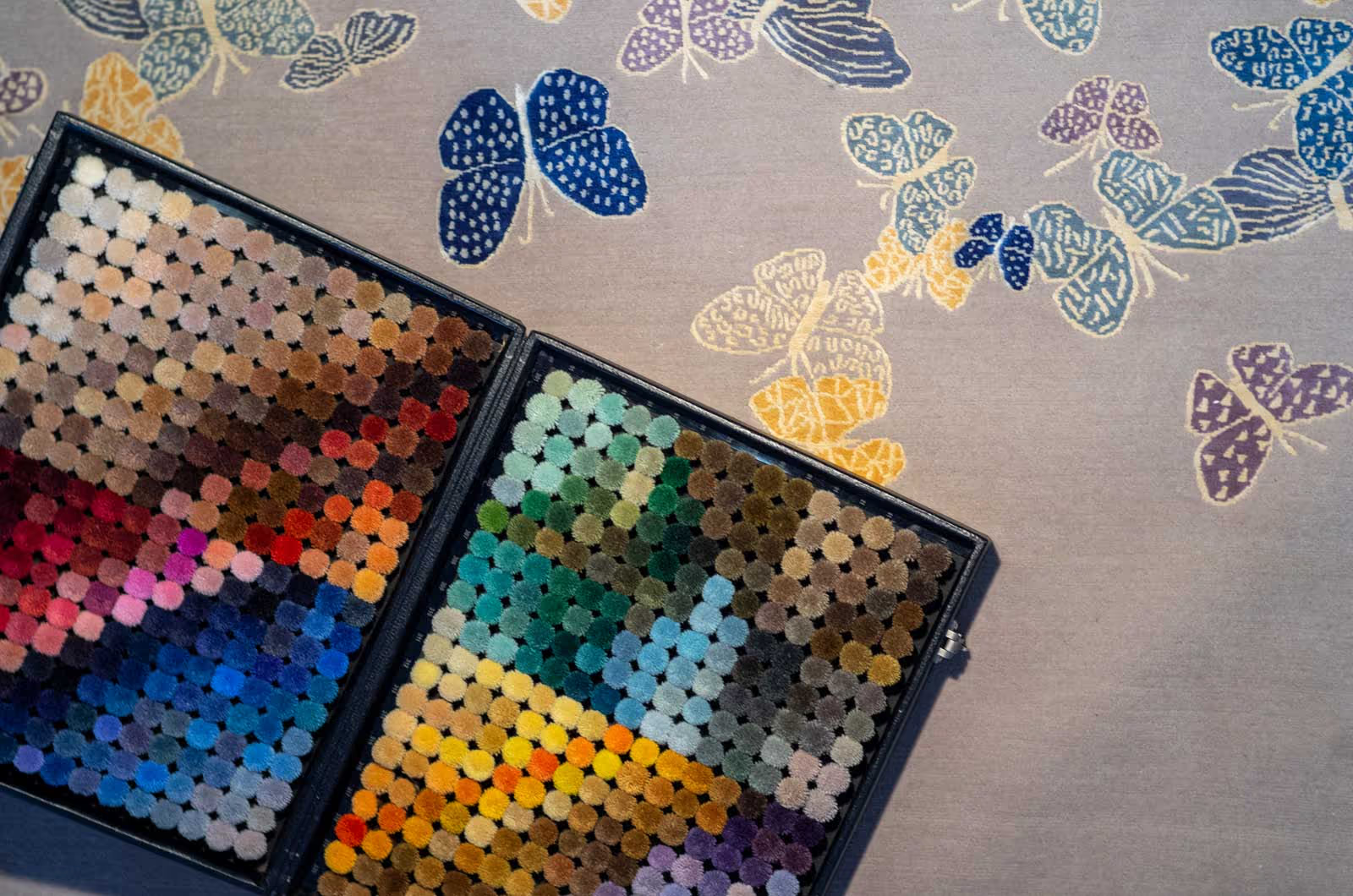
This collection explores the idea of transformation through pattern. Some rugs are bold and graphic, others quiet and atmospheric. Shades range from butter yellow to electric blue to deep red, each with distinct tonal compositions and line work. The backgrounds are filled with energy—scratches, scribbles, and textures that evoke wings in movement or faded botanical prints. All rugs in the series are handmade in Nepal by master artisans and available in custom sizes and colors. Whether used in residential interiors, retail spaces, or hospitality projects, the Butterfly Rugs offer a layered, contemporary voice that brings texture and meaning to the floor.
The collection started with a single drawing. Butterflies, hand-sketched, multiplying across the page until the page couldn't hold them. That drawing became a rug, and the rug became a series that kept growing, each colorway feeling like its own small world.
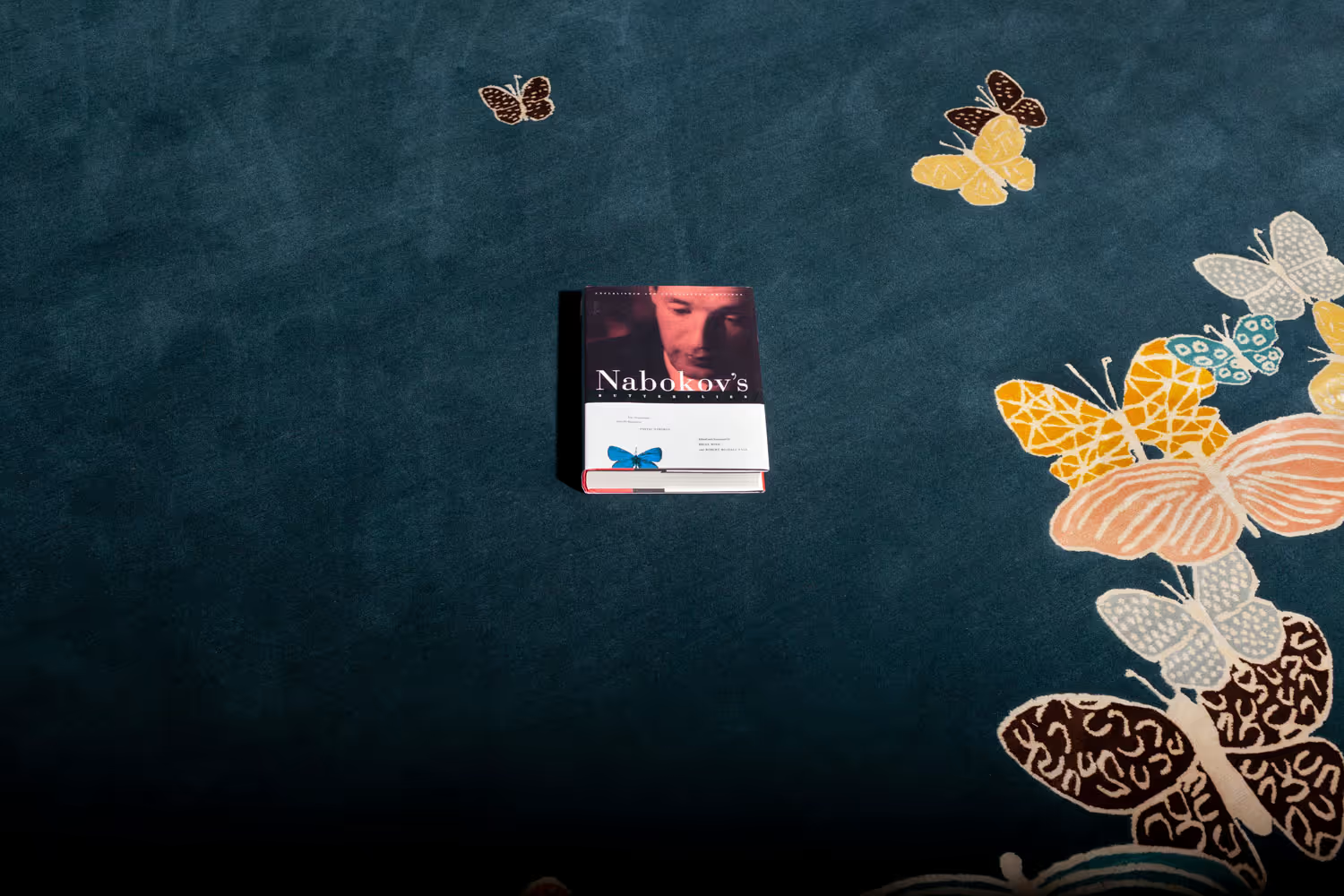
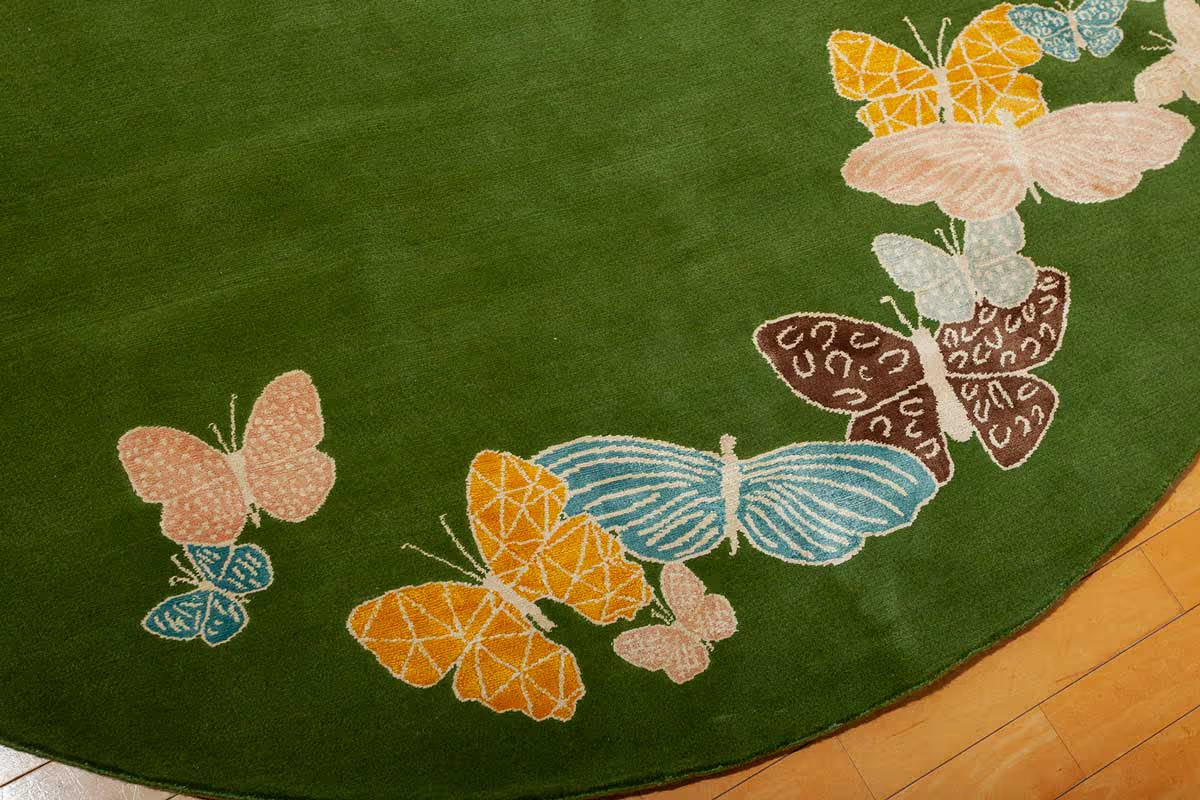
The round format came first, in mocha brown, beige, rose, and red. Then aqua, lime green, peach, butter yellow. A deep green that reads almost black in certain light. A gray version, darker and quieter, that we called Spirit in the Night Sky.
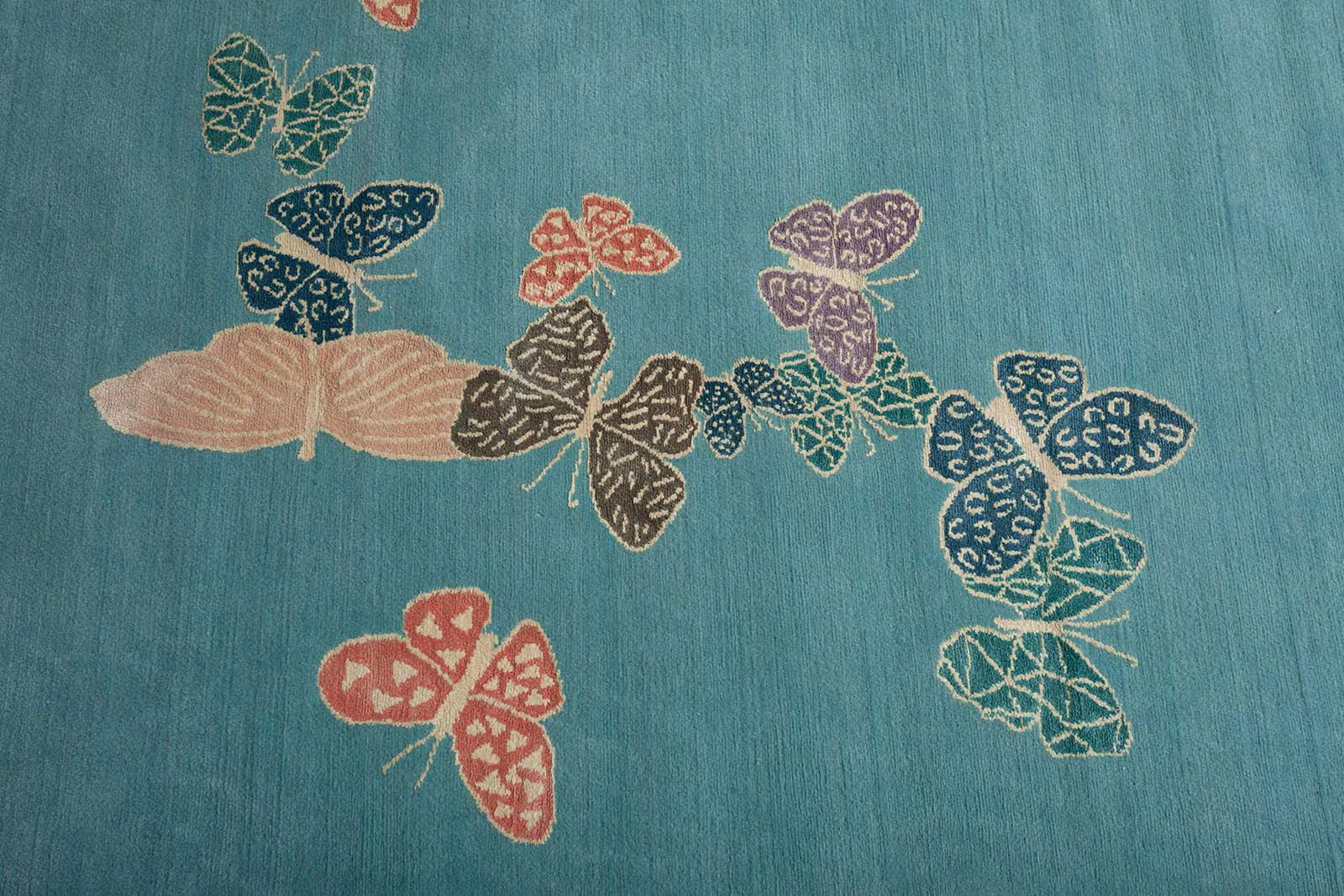
The rectangular pieces came later, in teal, pink, mocha mousse, and an off-white ground with graphite butterflies that is probably the most minimal thing in the collection. All of them hand-knotted in Nepal, wool and silk, each knot tied by hand.
Every piece is made to order and can be customized in size and color.


.avif)


.jpg)
.avif)
.avif)
.avif)
.avif)
.avif)
.avif)
.avif)
.avif)

Yes. Each rug is handmade by skilled artisans, translating a hand‑drawn design into a tactile object with depth, texture, and subtle variation. The process allows for nuances that are impossible to replicate in industrial production.
The rugs are made using high‑quality wool and silk. Wool provides structure, durability, and warmth, while silk is used selectively to enhance contrast, reflect light, and emphasize graphic details within the design.
Yes. Custom sizing and shape adaptation are an integral part of the project. Because the designs are based on organic, irregular geometries rather than standard rectangles, dimensions can be adjusted to suit the specific proportions of a space.
Yes. Color palettes can be refined or rebalanced to respond to an interior context while preserving the visual tension and compositional intent of the original design. We work closely with clients and designers to ensure they achieve the results they are looking for.
They are particularly effective in living rooms, lounges, bedrooms, and open spaces where the rug functions as a focal element rather than a background layer. They work well in interiors that benefit from movement, asymmetry, and a less rigid spatial hierarchy.
These rugs are not meant to align rigidly with walls or furniture edges. Placement works best when the rug is allowed to float slightly, anchoring key pieces while leaving parts of the shape exposed. This reinforces the sense of movement and intentional asymmetry.
Yes. The rugs are designed for both private interiors and curated commercial environments. Materials and construction can be adapted based on traffic levels and project requirements. Since the materials are natural and not synthetic (nylon), they are not recommended for high-traffic areas. We worked with luxury brands in the past and one of our rugs was used in a Coach store on 5th Avenue in New York.
Rugs are produced on a made‑to‑order basis. Commissioning typically involves defining size, colors, materials, and context through a direct conversation with the studio to ensure the final piece is aligned with the space it is designed for.
The rugs are designed to age well. Wool provides resilience and structure, while silk is used selectively rather than as a dominant surface, balancing visual refinement with long‑term performance. With normal care, the rugs maintain their clarity and material richness over time. Nepalese rugs are known for lasting decades and many rugs created over 100 years ago are often shown in galleries. Our rugs are made in the same traditional way as these.
Regular vacuuming and rotation are usually sufficient for day‑to‑day care. For deeper cleaning, professional rug cleaning is recommended, especially for pieces that include silk. Proper maintenance preserves both the material quality and the design's qualities.


.avif)