
.svg)
.avif)

As brands rethink their physical presence, interior design emerges as an influential force for developing perceptions, behaviors, and memories. The real question now is not if physical spaces matter, but how vividly they can express identity across every location, format, and moment of interaction.
Cohesive brand experiences come to life when space, communication, and behavior move in harmony. Interior design is the conductor, converting abstract or elusive brand values into environments that feel purposeful, unified, and authentic.
Why Cohesion Matters More Than Ever
Today’s customers glide fluidly between digital and physical worlds, expecting a natural, continuous experience. If a brand’s online presence radiates clarity or warmth but its physical space feels bland or off-key, trust dissolves in an instant. Visitors lose their sense of recognition, and confidence slips away.
Cohesion is not about sameness, but about instant recognition. Within moments of stepping inside, customers should sense exactly where they are and who they are engaging with, even before spotting a single logo.
This is where interior branding strategies really stand out. Space becomes a silent messenger, often more convincing than words and always quicker to make an impression.
Strategic Planning: Translating Brand into Space
Strategic clarity is the foundation of a cohesive brand experience. Before any design work begins, the brand must be seen as a living set of values, attitudes, and priorities, rather than just a collection of visuals.
Effective planning begins by distilling the brand’s character into a handful of guiding principles. These then shape the space: from the openness or intimacy of rooms, to the choice of materials, the flow of movement, and the subtlety of hierarchy.
At Sergio Mannino Studio, this process typically consists of developing visual metaphors that connect brand values to spatial decisions. These metaphors guide design choices among different locations and scales, guaranteeing harmony without repetition.
Design Execution: From Concept to Environment
Once the strategy is set, execution calls for both discipline and imagination. Cohesive brand places flourish on a thoughtful rhythm of proportion, material choices, and spatial flow.
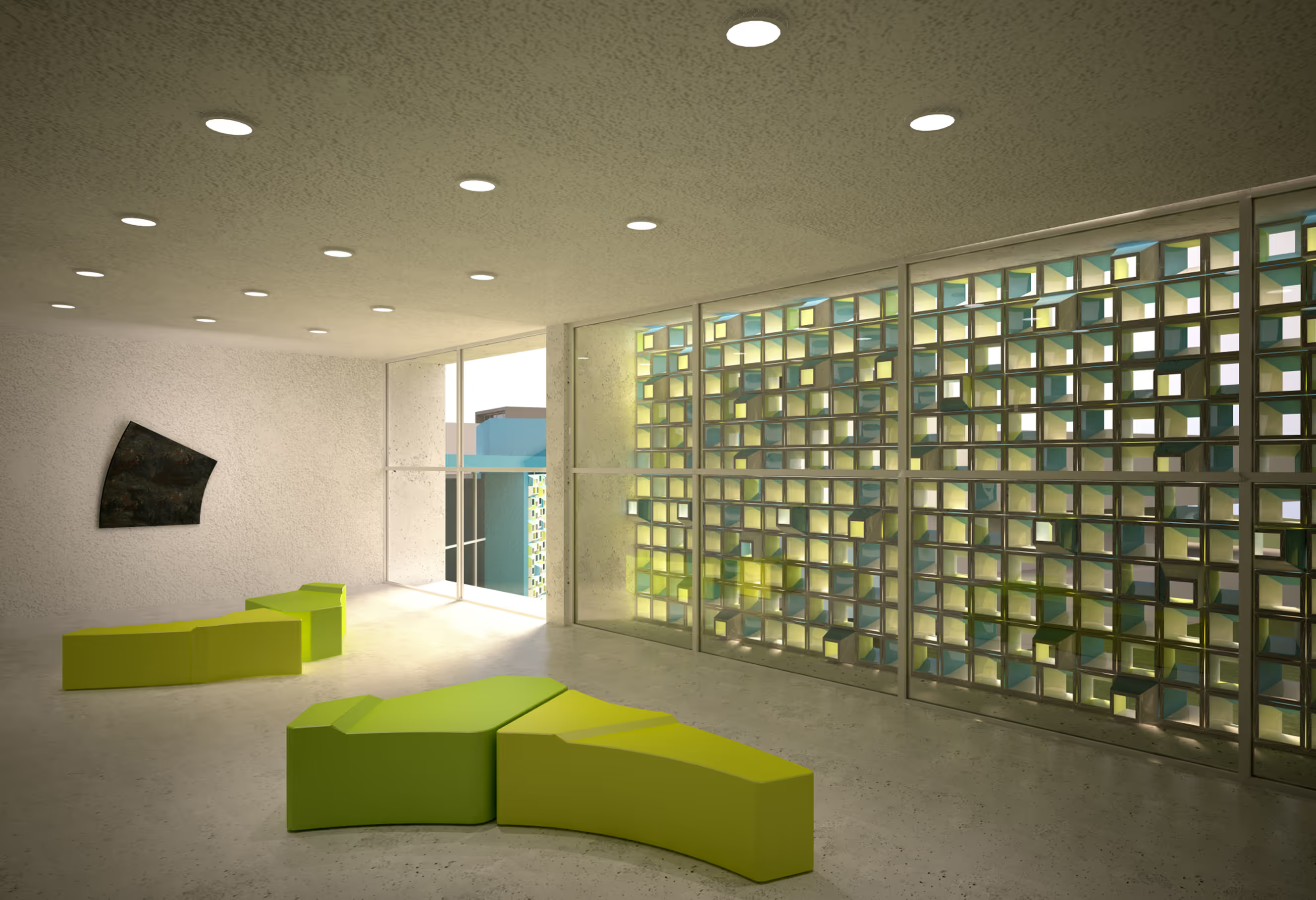
Colors and materials are selected for the emotions and cultural stories they evoke. Lighting becomes architecture in itself, sculpting perception and drawing the eye. Small lights carve out crisp shadows, large ones bathe spaces in softness. Warm glows invite comfort, while cool tones sharpen focus for jewelry or medical displays.
In retail, this could mean orchestrating sight lines to spotlight key products instead of bombarding visitors. In service spaces, it often means quieting the visual landscape to foster calm and clarity.
The best brand storytelling through architecture and design sidesteps the obvious. Logos and graphics matter, but they take a back seat to the choreography of space. The environment itself speaks volumes through the way it greets, guides, and embraces people.
Case Studies: Brand Environments That Work
No matter the industry, the most effective brand environments share a set of unmistakable traits.
In retail, brands that value experience over pure volume create spaces that invite visitors to linger and connect. Product displays become chapters in a larger story, not just the main event.
In healthcare and pharmacy design, cohesive spaces build trust. Clear layouts, intuitive pathways, and understated materials quietly reinforce the brand’s promise of care and dependability.
In hospitality-driven spaces, atmosphere speaks louder than logos. The interaction of sound, light, and texture creates a feeling of belonging that guests recognize subconsciously, not by reading signs.
Measuring Brand Impact in Physical Space
Measuring brand experience in physical space is a unique challenge. Unlike digital channels, there are no instant analytics, but the impact is still tangible and measurable.
Key signals include how long people stay, how often they return, and the stories they share. In retail, conversion rates and product interaction serve as signals on how a brand is perceived by its customers and the general public. In service spaces, comfort and simplicity often mirror brand trust.
A truly cohesive interior design speaks for itself. When it succeeds, people feel at home, confident, and in sync with the brand’s values—often without even realizing why. The A.MANO Brooklyn store is one example — brand identity and interior design developed simultaneously, so the space and the brand are the same thing rather than one following the other
The Future Outlook
Interior design steps out of the shadows to become a leading force in branding. Brands that invest in cohesive spaces gain an edge built on genuine experience, not just clever promotion.
The most successful spaces will treat brand identity as something alive, expressed through structure, material, and movement. With this approach, interior design transforms physical stores and architecture into enduring assets rather than fleeting gestures.
For brands chasing relevance, clarity, and recognition, cohesion is not a luxury. It is the bedrock on which everything else stands.
Check out A.MANO Brooklyn Brand Identity on our website.

.avif)
